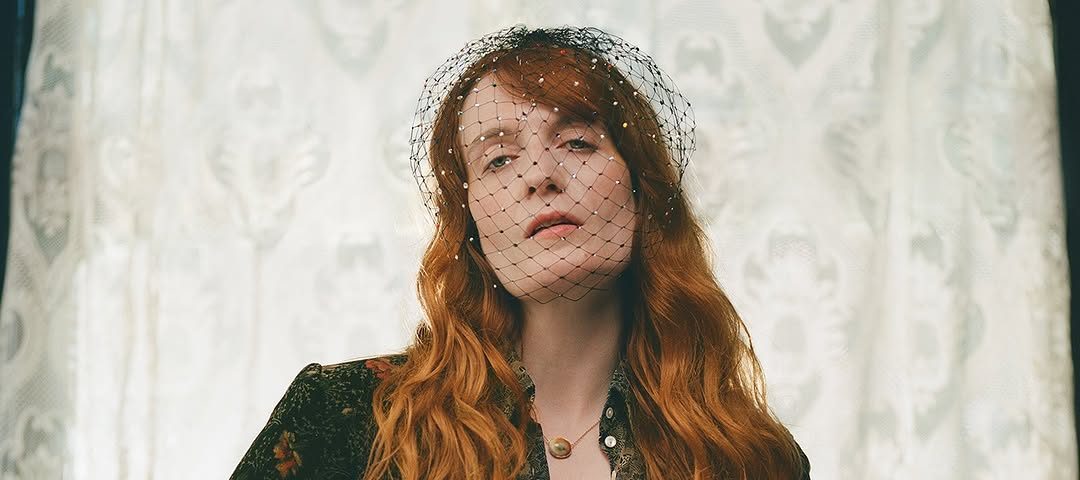
Music Critic Esme Chen discusses Florence + The Machine’s latest album ‘Everybody Scream’, discussing her restorative use of themes such as witchcraft, sex, and folklore
On Samhain, Florence + The Machine released their sixth album, which is more spooky, witchy, and visceral than ever. Possibly Dance Fever’s number one listener, I was more than ready to embrace the magic and the misery, the madness and the mystery this Halloween – and Everybody Scream did not disappoint in the slightest.
An avid lover of folk horror, witchcraft, and the gothic, being told the band was drawing influence from the Pre-Raphaelite era, the gothic, Shakespeare, and the marvellous Julian of Norwich meant I could not wait. It is difficult to define a genre for this album; however, I would lean more towards the ever-rising alternative folk or folk rock, a genre that has been on the rise in the last decade. Drawing inspiration from Kate Bush or Björk, alternative folk is relatively multifaceted. From the popular Hozier to Joey Batey and Madeleine Hyland’s The Amazing Devil, Everybody Scream positions itself nicely within music that has narrative, history, and that makes you want to join a coven and move to a rural village in 16th-century East England.
However, in this narrative Florence takes on the role of a spiritual heroine who, despite the suffering and complexities that come with womanhood, embarks on a journey of spiritual liberation. Just like Dance Fever (seen through the song ‘Choreomania’, a reference to the 16th-century dance plague resulting in dance fever), the album is absolutely littered with references (which, let’s be real, only Florence Welch could master!)
This fearlessness is what audiences are meant to feel, for ‘there is nobody more monstrous than me’
The first piece of content audiences received was the title track ‘Everybody Scream,’ with an incredible music video directed by Autumn de Wilde, making fans want to shake, scream, jump, move, and sing to Florence’s spellbinding lyrics. The music video contains a reference to Shakespeare’s Hamlet, as Florence spits out pansies: a reference to Ophelia, who says ‘pansies – that’s for thoughts’ before her death. Florence spits death out – for who can be fearful of death after magical liberation?
For a universal women’s fear, the power we give men is mocked by the male characters featured. Whether that’s through a heel in the mouth, or implicitly through references to medieval and folk traditions from both Europe and Asia, the video shows a man riding backwards on a horse – a punishment or form of humiliation in this period, and a depiction of the devil. Florence is not scared of men, death, or even the devil – so what is she scared of? This fearlessness is what audiences are meant to feel, for ‘there is nobody more monstrous than me’.
We are in an age where witchcraft and spirituality are more popular, especially among women and girls. As someone interested in the study of folklore and who is constantly learning and practising spirituality, this whole album seems like a perfectly written love letter to the power and control these practices give. The whole album has an atmosphere of neopaganism, mysticism, occult imagery and a sort of ‘satanic panic’ energy, and these are all examples of the radical subversion that comes from submitting to a common practice. Everybody Scream is wholly inviting – inviting you into some sort of coven, like you already know the history and the mysticism. It’s that invitation that becomes enticing and intoxicating, and just like that, the band has you wrapped around their fingertips.
One of my favourite songs on the album, ‘Perfume and Milk’, has a direct lyric reference to 14th-century English medieval mystic Julian of Norwich: ‘All shall be well’. This comes from her book The Revelations of Divine Love. Julian’s writing centres on comfort, survival, and the idea that even in chaos something gentle remains – which fits perfectly with the album’s themes of female resilience and spiritual rebirth.
Again, Florence manages to curate an atmosphere of the haunting sublime: eerie and formidable
‘Drink Deep’ was also inspired by Sheridan Le Fanu’s short story Laura Silver Bell, featuring the fae and referencing the sinister nature of traditional fairies – the terrifying power of the creatures on the other side of the veil. Again, Florence manages to curate an atmosphere of the haunting sublime: eerie and formidable. To be able to turn the terrifying into something so beautiful, Florence + The Machine have truly outdone themselves.
When all the threads are pulled together – the witches, Julian Norwich’s quiet mysticism, Ophelia’s flowers, the fae, the backwards-riding devil and all the strange medieval punishments – it becomes clear that Florence isn’t just referencing folklore for aesthetic value; she’s reclaiming all these women and creatures and myths that were once used to control or terrify, and turning them into symbols of a form of radical liberation. Everything that was meant to shame, silence or frighten women becomes something powerful. Florence continues to create a tapestry of female myth, with the dangers perceived from spirituality and giving every forgotten female figure a voice, this time through a voice that is impossible to tone out or forget.
This album is near perfect, and what a privilege it has been to follow such a band through my early adolescence. As ever, I can’t wait to see what they have next in the works, and if it’s anything like this, Florence Welch will truly be remembered.
You might also like:
Single Review: Queen – Who Wants To Live Together (Stranger Things Remix)
Album Review: Dave – The Boy Who Played the Harp
Comments