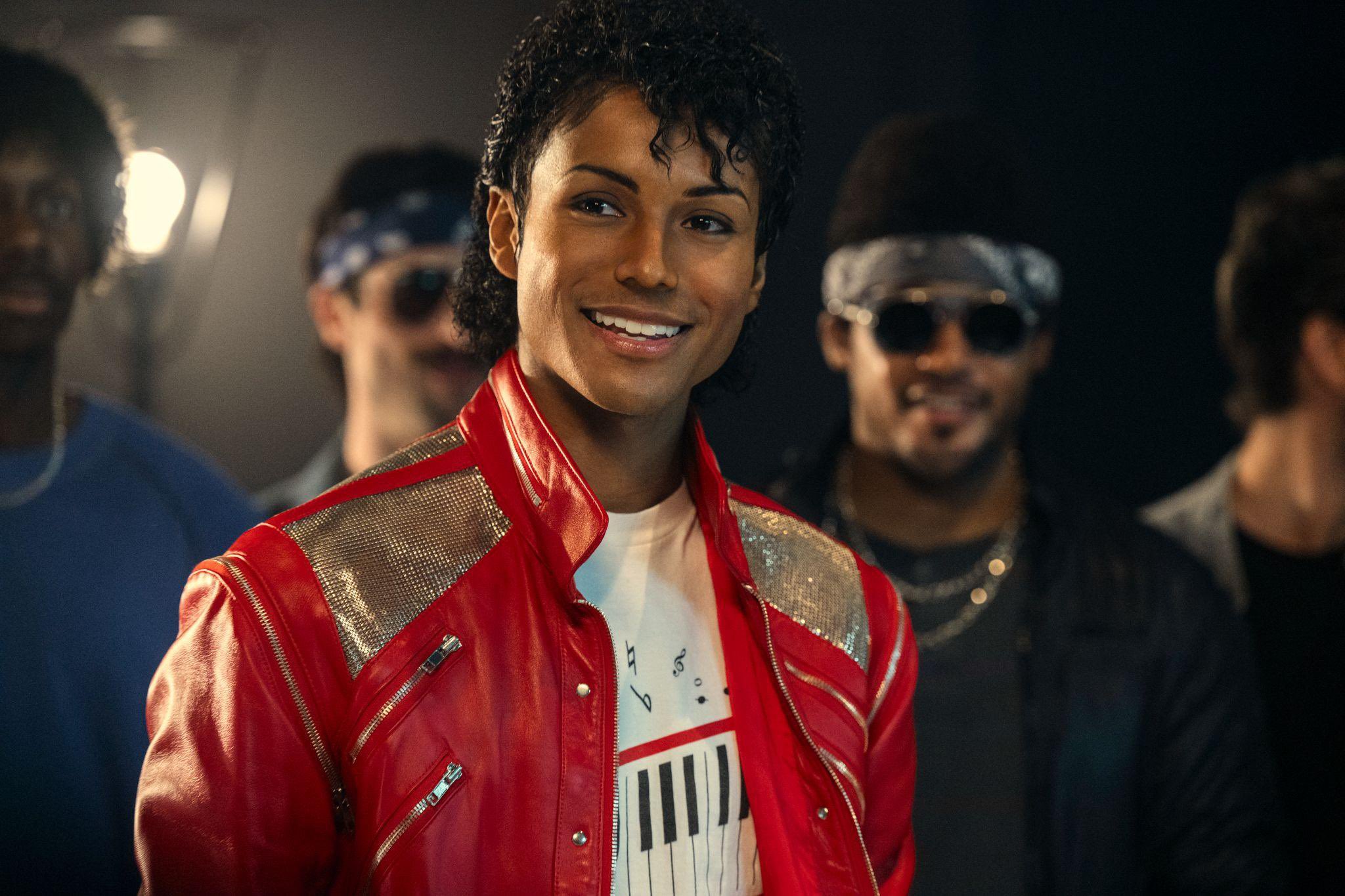
Film & TV Writer Kirandeep Khosah examines the biopic genre following the release of the first trailer for Michael, the Michael Jackson biopic
The first trailer for the Michael Jackson biopic Michael has taken the internet by storm, with the film expected to be released by April 2026. However, its release has sparked controversy online, with netizens questioning the impact of biopics on Hollywood storytelling and the ethical implications of dramatising real lives. Over the years, many biopics have been released, receiving varying degrees of acclaim. This raises the question: what defines a “good” biopic, and could there be too many of them?
Too Soon? How Long Until a Biopic is Appropriate?
This situation begs the question: Is the biopic genre a proper commemoration of the deceased, or does it exploit the grieving families?
When discussing biopics, a significant issue arises regarding the timing of their production, particularly when they come out shortly after a celebrity’s death, raising concerns about exploitation. A notable example is the biopic of Selena Quintanilla, starring JLO. Selena, a vital figure for the Latin community, was tragically murdered at just 23 in 1995. Despite the shock of her death, a biopic was released just two years later, in 1997. This quick turnaround prompted criticism, especially regarding the family’s involvement. They later revealed they hadn’t intended for the film to be made so soon and felt pressured to participate to protect Selena’s legacy. This situation begs the question: Is the biopic genre a proper commemoration of the deceased, or does it exploit the grieving families?
Male versus Female Representation: The Hollywood Fetish for Female Struggle and Exploitation:
Exploitation is a recurring theme in biopic debates, extending beyond families to the patriarchal nature of Hollywood’s representation.
In many male-centred biopics, there is a common theme of glossing over the particularly unfavourable aspects of the individual’s character. One example of this is clear in the 2022 film Elvis, starring Austin Butler. The film, while very well received, was considered to be primarily an over-glamourisation of Elvis’ life, focusing particularly on the earlier stages of his career, undermining the aspects of his drug addiction, and not capturing the extent to which it affected him. Similar critiques are also extended regarding Bohemian Rhapsody (2018 in which Freddie Mercury’s (Rami Malek) history of drug addiction and battle with HIV was ultimately a footnote on the broader sequencing of the film.
This disparity reveals a troubling message in Hollywood: female artists are portrayed through their pain, while male figures are celebrated for their genius.
In contrast, female biopic subjects often face sensationalism regarding their struggles. Netflix’s Blonde, a fictional portrayal of Marilyn Monroe, includes graphic and unsubstantiated themes like abortion. It is important to note that this body of work is entirely fictitious. So why attach Marilyn to the project? Utilising real people and framing their lives in this grotesque, fantastical way damages her legacy and maintains the issues of sexualisation which she faced in life. Likewise, Spencer, featuring Kristen Stewart as Lady Diana, provides an artistic interpretation of the mental health issues Lady Diana faced, presenting hallucinations with no factual basis. This disparity reveals a troubling message in Hollywood: female artists are portrayed through their pain, while male figures are celebrated for their genius. The contrast between sanitised male narratives and sensationalised female stories highlights unequal representation and the gendered power structures that influence whose stories are told and how.
Living Celebrities: Do They Really Need a Biopic?
Hollywood’s new fascination with telling the stories of living celebrities raises an entirely different set of concerns.
Hollywood’s new fascination with telling the stories of living celebrities raises an entirely different set of concerns. When the person at the centre of the drama is still alive, the stakes become much higher: their reputation, mental health, and personal relationships can all be affected in real time. The Hulu series Pam & Tommy made this painfully clear. Pamela Anderson had no involvement in the project, yet the show revisited one of the most traumatic events of her life without her consent. While the input of first-hand sources can benefit the accurate retelling of events, what this show highlights is a bigger issue: living celebrities often have little control over how they’re portrayed, even when the subject matter is deeply personal. Unlike historical figures, they’re forced to watch as their experiences are rewritten, reshaped, or sensationalised for entertainment. And once those portrayals enter the public imagination, they can overshadow the truth, becoming the version of events that audiences remember. As more studios turn to the stories of people who are still here to see the fallout, it raises an important question: at what point does “creative freedom” cross the line into exploiting someone who doesn’t get the chance to walk away from the story being told about them?
Concluding Thoughts
Finally, whilst I have spent much of this article criticising the biopic genre, it would be unfair to claim that these films have no value at all. Biopics like Malcolm X (1992) show how powerful the genre can be when it is approached with care. The film is widely regarded as one of the most thoroughly researched biographical works ever made, drawing closely on Malcolm X’s own autobiography and offering an honest, detailed look at both his life and the political climate of the time. Productions like this demonstrate that biopics can play an essential role in bringing significant historical moments and influential figures to the screen, educating and engaging viewers.
In the end, the value of a biopic depends on its intentions and the respect it shows in telling someone’s story.
There are examples of the correct and tasteful portrayal of real people and real events, which prove that the genre itself is not inherently flawed. However, in the pursuit of financial gain or dramatic impact, these ethical standards are often pushed aside. The line between meaningful storytelling and exploitation blurs, and when this happens, the story’s influence and the dignity of the person at its centre are diminished. In the end, the value of a biopic depends on its intentions and the respect it shows in telling someone’s story.
More from Redbrick Film & TV:
Film Review: Springsteen: Deliver Me from Nowhere
Sabrina Carpenter Set To Star in New Alice in Wonderland Musical Film
Comments