Gaming Writer Hamza Khawaja reveals why RAM prices are spiking, and what AI has to do with it
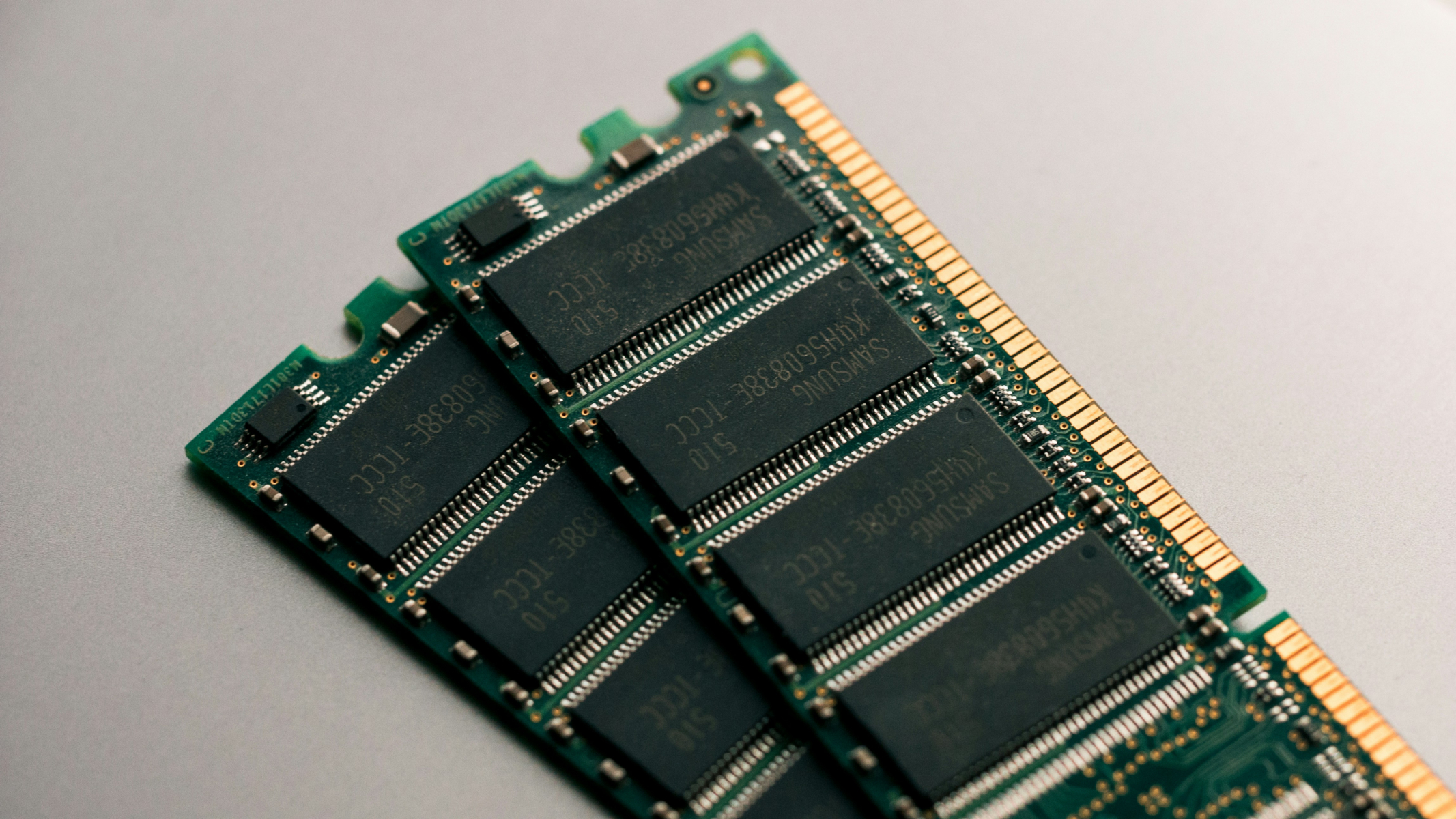
RAM, short for Random Access Memory, is a critical component of any electronic hardware, from computers to consoles. It functions as short-term memory storage, allowing devices to quickly read and write data from a running program.
The cause is clear: an AI-driven market
Consumer RAM prices have significantly increased in price in recent weeks, and the cause is clear: an AI-driven market. This has led to individuals and smaller tech companies scrambling to acquire any RAM they can currently afford.
Crucial is a company that used to make consumer-grade RAM. In December 2025, they announced that they will no longer be selling consumer grade RAM by February 2026 — at least, not under the Crucial name. The Marketing VP of Crucial’s parent company, Micron, even suggests that this decision will ultimately help consumers around the world.

There is currently no end in sight for these rising prices. Notably, this situation is very reminiscent of another price hike in recent memory: the bitcoin bubble. Many companies were purchasing GPUs to mine bitcoin, which, technical details aside, are used in computers much like RAM.
The recent demand for RAM means that RAM prices now exceed GPU costs
This led to a sharp increase in the costs of GPUs for the average consumer. GPU price inflation did eventually end, but only when the bitcoin bubble burst with other associated products like NFTs.
GPUs did not crash too significantly in price due to their complexity, but there has been a notable depreciation since. However, the recent demand for RAM means that RAM prices now exceed GPU costs.
When situated within the entirety of human history, the technology sphere is a very unique industry. Technology like the internet has revolutionised the way societies function — for some, this shift was visible in a single lifetime. On the back of this success, technology companies have become extremely influential, translating to the economic power they wield today.

A notable economist, Yanis Varoufakis, has even coined a new term to describe our social and economic landscape: technofeudalism. This term refers to how society is constantly beholden to the whims of those who control technology. The price inflation of RAM is one such example of how we perpetually rely on large technogy companies everyday.
Only consumers struggle with the consequences
Although we are reliant on technology companies, consumers are not always satisfied with their actions, nor the control they hold. If anything, the surge in RAM prices has only exacerbated the clash between consumer and company.
High level tech executives may look to the past successes and revolutionary impact of technology and view AI as just another step in advancement, while only consumers struggle with the consequences of these decisions firsthand. From the perspective of these larger companies, using AI is agreement enough to continue investing in RAM and creating unaffordable prices for consumers.

AI comes with many concerns. The vast amounts of electricity and water required to run and cool data centres respectively are heavily damaging the environment.
Social and political ramifications
There are also several social concerns, from the directly polluting impacts of AI infrastructure to the newly coined ‘AI-slop’. This term refers to how the internet is rapidly filling with generated content, resulting in various social and political ramifications.
The trajectory with RAM prices may follow the same as GPU prices during the bitcoin bubble. Many critics of AI similarly describe artificial intelligence as its own bubble as well, one of which is also bound to burst eventually.
In the meantime, consumers and hobbyists will be forced to deal with increasingly expensive prices compared to a year ago. For as long as the AI bubble lasts, gaming will remain a costly hobby to indulge in.
Keep up to date with more Gaming news here:
Comments