Life&Style Writer Daisy Holian discusses the merits and pitfalls of celebrity activism
Today’s world is increasingly influenced by the ideologies of the powerful and whether you like it or not, celebrity voices are more powerful than ever. But as we enter an era of cultural instability, should celebs be airing their opinions if they are not educated on the matter at hand? Are their voices simply a means to win the hearts of their fans and avoid the constantly looming threat of cancel culture.
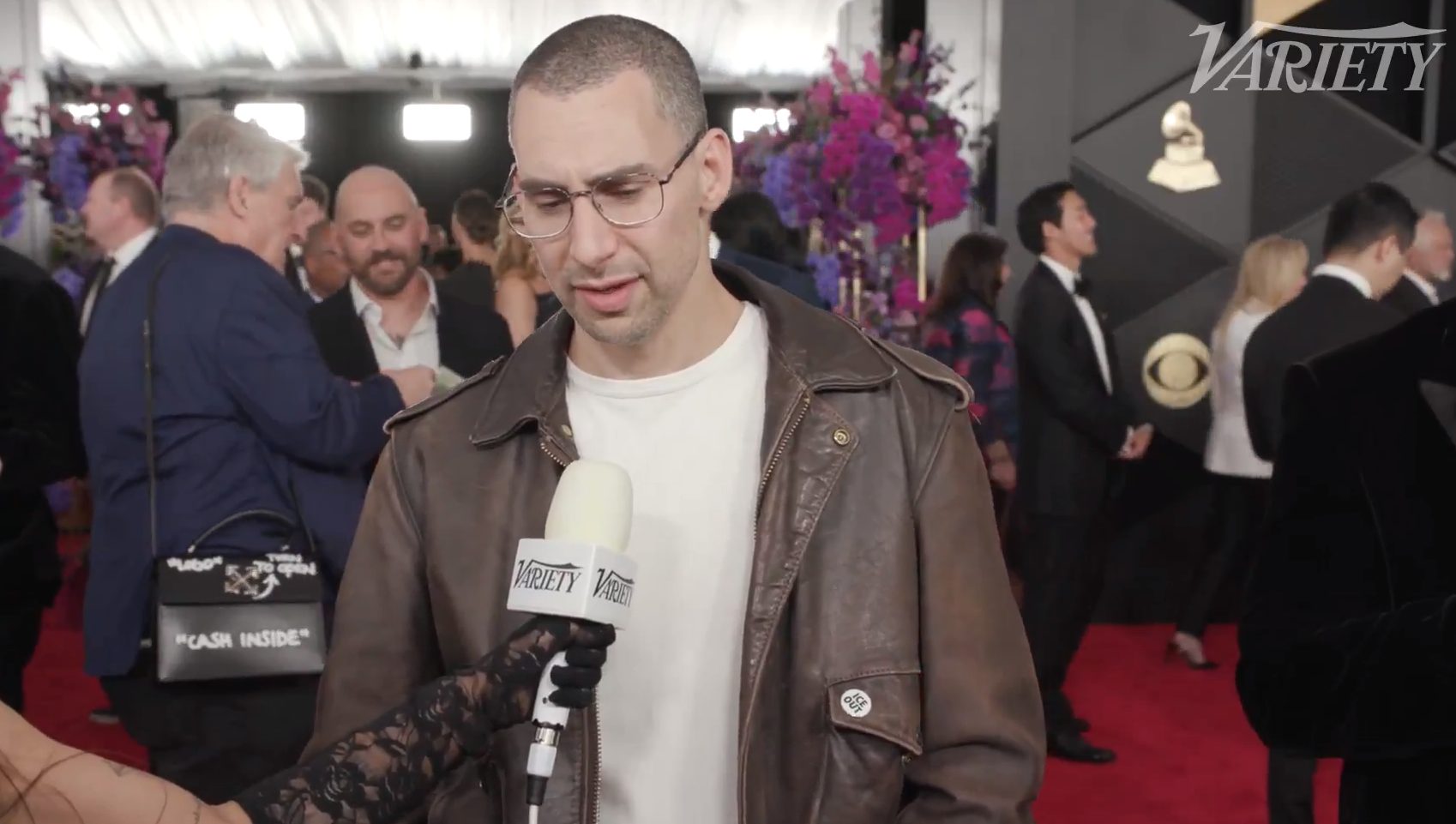
After unease in America surrounding the protests against the violence under ICE authority, celebs have been quick to voice their opinions on the fear felt by the nation. However, Hollywood stars and LA musicians perhaps are not really the most qualified to talk about political affairs. This was perfectly demonstrated at the 2026 Grammys red carpet where music writer and producer Jack Antonoff proved that his speaking out against ICE was simply a virtue signalling PR stunt. At the Grammys, many stars, including Antonoff, sported ‘ICE OUT’ badges. However, when he was asked about the situation, he seemed to shrug off the question, barely able to form a single sentence in response, stuttering to say that he was “speechless, starting to even talk about it”. His emotional act however did not distract from the fact that he had nothing of value to say, appearing ignorantly performative in front of the cameras.
When [Antonoff] was asked about the situation, he seemed to shrug off the question
However, this does not mean that all celebrities do not know what they are talking about. We have on numerous occasions seen real change influenced by celebs. It would be unfair not to mention the effort that actor Mark Ruffalo has put into his social activism. Campaigning for social and climate justice, Ruffalo regularly uses his platform to spread awareness of pressing cultural and political issues. Ruffalo is unafraid to talk politics with a candidness that shows his true sincerity and emotional investment in the issues that he takes an interest in. Social change is very often brought about with celebrity involvement. Ruffalo alone has founded Water Defence as well as The Solutions Project both looking to protect environmental causes. Similarly, we see stars time and time again getting involved in life changing work internationally with non-profit organisations such as UNICEF. Surely, even if working with such groups is simply a means of constructing a reputable social image, there is real change and real activism coming from celebrity politics.
We have … seen real change influenced by celebs
We cannot however ignore the fact that there is a certain pressure for celebrities to use their platform in order to take a political stand. We so often see criticism, stemming from social media, against celebrities who do not publicly speak out. Taylor Swift is no stranger to such censure. The pop sensation faced significant backlash when she previously expressed her democratic leanings during the 2016 US election. However, since going radio silent, even during hot political topics such as the Israel-Gaza conflict and the 2024 election, social media has been quick to attack her character. With this mediatisation of politics, perhaps it is simply easier for celebs to take such a tokenistic interest in socio-cultural policy, if anything to protect their brand as a star by performing the role of the virtuous activist.
However, there is a danger to the superficial nature of celebrity politics. As we saw in the 2024 US elections, both the Democratic and Republican candidates collected celebrity endorsements like the Avengers do infinity stones. It seemed that celebrity support was vital to both electoral campaigns, giving Harris and Trump status symbols boosting their appeal to voters. This is telling of a trend towards depoliticization, largely due to the controlling force of celebrity politics that act as a perfunctory image rather than anything of socio-political substance.
There is a danger to the superficial nature of celebrity politics
Straying slightly from the debate of virtue signalling vs. real activism in celebrity politics, a question that I am left asking is: why are we so dependent on what the stars have to say? Returning to the idea of depoliticization, celebrity politics brings a detachment from reality. During the US election, were you more interested in the proposed economic policies, or the celebrities showed off at their rallies. With the current coverage of the Epstein files, are you more interested in Epstein’s crimes, or the other big names involved in the scandal? This is not to say that society is entirely blind to real world issues, but what makes these social and cultural politics so compellingly intriguing is the symbolic involvement of these stars.
This said, symbols are no longer enough. And as uncertainty clouds politics and culture, we cannot rely on the uneducated voices of celebrities to determine our own thoughts, beliefs, and values. It has become progressively clearer that the majority of today’s celebrity politics are influenced by the fear of the media and the social condemnation that threatens stardom. So, on a slightly disheartening note, perhaps celebrity politics is simply a means of virtue signalling, winning fan support and protecting star image. Is actual activism dying out amongst the rich and famous for the simple protection of their status? It seems so.
We cannot rely on the uneducated voices of celebrities to determine our own thoughts
Comments