Life&Styler Anubhuti shares their opinions on the recent trend about becoming ‘disgustingly educated’
With the new year come new year’s resolutions. A promise to be better, to be wiser, and with that an interesting new trend has seemed to arise. A movement designed around bettering yourself through knowledge and education.
A wider shift in culture, one prioritizing knowledge and intelligence.
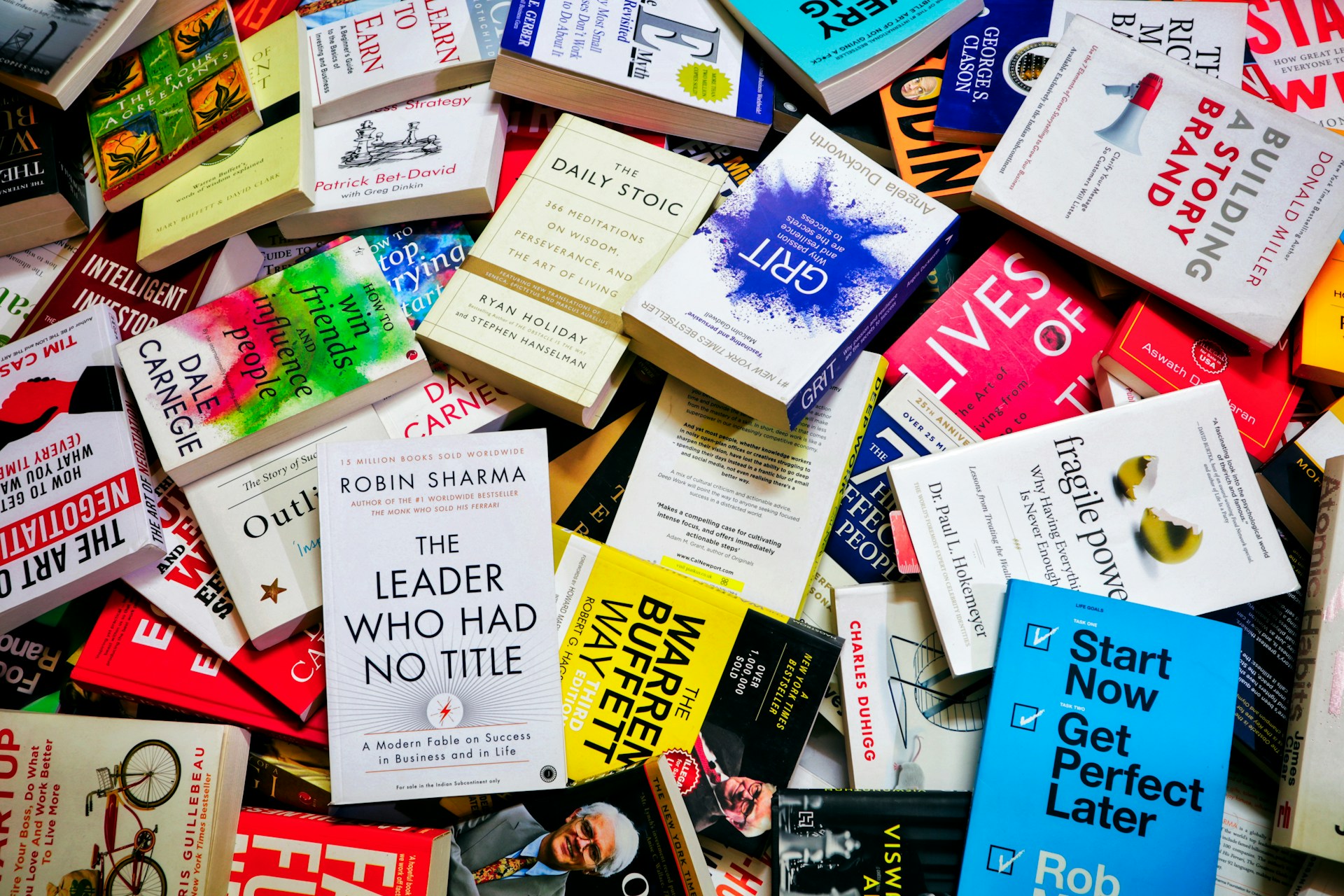
Countless TikToks and reels have shown up on my ‘For You’ page, recommending dense classics and esoteric French New Wave films, all in the name of being ‘disgustingly educated’. One TikTok with this premise shows the creator recommending a way to become ‘disgustingly educated’ is by learning a new language and watching two new films outside your comfort zone each month. Additionally, last year there was a trend of creating your own ‘personal curriculum,’ popularized by the creator Elizabeth Jean. It focuses on choosing your own subject matter and materials to explore and study, with the aspects of the focused learning you would do in a university setting while having full control of your topics. Both of these trends signal a wider shift in culture, one prioritizing knowledge and intelligence. On face value, this definitely seems like a good thing, a focus on knowledge and bettering yourself, especially with the current media literacy crisis. I mean… what is not to like? But as with all things that originate on social media, a fair amount of interrogation never hurts. A focus on the perception of being viewed as intelligent.
With trends like being ‘disgustingly educated,’ there seems to be a focus on the perception of being viewed as intelligent. The wording of being ‘disgustingly’ educated is interesting, as it implies that the person is so intelligent that is almost off-putting to some. Here the person is presenting themselves as ‘other’, indirectly drawing a comparison between them and the supposed simpletons in the room. There is an air of superiority and slight pretentiousness subtly implied through the wording of this trend. This lets us in on the actual desire of this trend. While there is merit in consuming a wide range of media and critically engaging with them, it is difficult to measure how ‘intelligent’ you will become after this. This new focus on intelligence can sometimes read as performative, a competition in nicheness.
While I do not want to assume that every social media post recommending a book or movie is performative, it is telling that what usually goes viral are people showing off lists rather than actual engagement with the material. While this could be just a fault of the algorithm only promoting easily digestible content, it does tell us about what people want to see. These lists full of recommendations and self-improvement ideas; let us indulge in the fantasy of who we will be if we finally decide to read War and Peace and start learning Russian for fun. Like most things on the internet, they are selling a fantasy. Intelligence becomes another aspect of yourself you can market to build an audience. For example in the TikTok mentioned in the introduction, the creator advertises her own book club on Fable.
In the age of the internet, most things become commodities and marketing strategies.
In the age of the internet, most things become commodities and marketing strategies, reduced to the shallowest versions of themselves. In conclusion, even if it is performative, if the trend inspires someone to engage with a new book or go to more museums than they might have not done otherwise, I do not think it is all that bad. Performative intelligence, or pretentiousness, is an incredibly easy thing to sniff out, like a stain on someone’s designer clothes, and while you can try to commoditize intelligence on the internet all you want, in real life, people know what the real thing looks like.
Looking for more? Try out these articles from Redbrick Life&Style:
How to Actually Plan Your Study Time (and Stop Writing Essays at 2am)
Comments