An illustrious, naturalistic world with blooming colours and creatures never seen before, thriving incandescently. This world, known as Pandora, has its rivalling enemies, the humans, who attempt to steal the resources of the native people in order to save Earth. It’s quite a concept, right? This is the work of renowned director James Cameron, who is best known for his showstopping film Titanic, but most importantly the Avatar franchise. This universe is so immensely popular and loved by fans globally, the first instalment has become the highest grossing film of all time in the box office, with the sequel, Avatar: The Way of Water, also dominating. With the release of the highly anticipated third instalment, what are the real thoughts lingering in the minds of the cinephiles? Is it valued because of its genuine greatness or because of its status in the industry?
Is it valued because of its genuine greatness or because of its status in the industry?
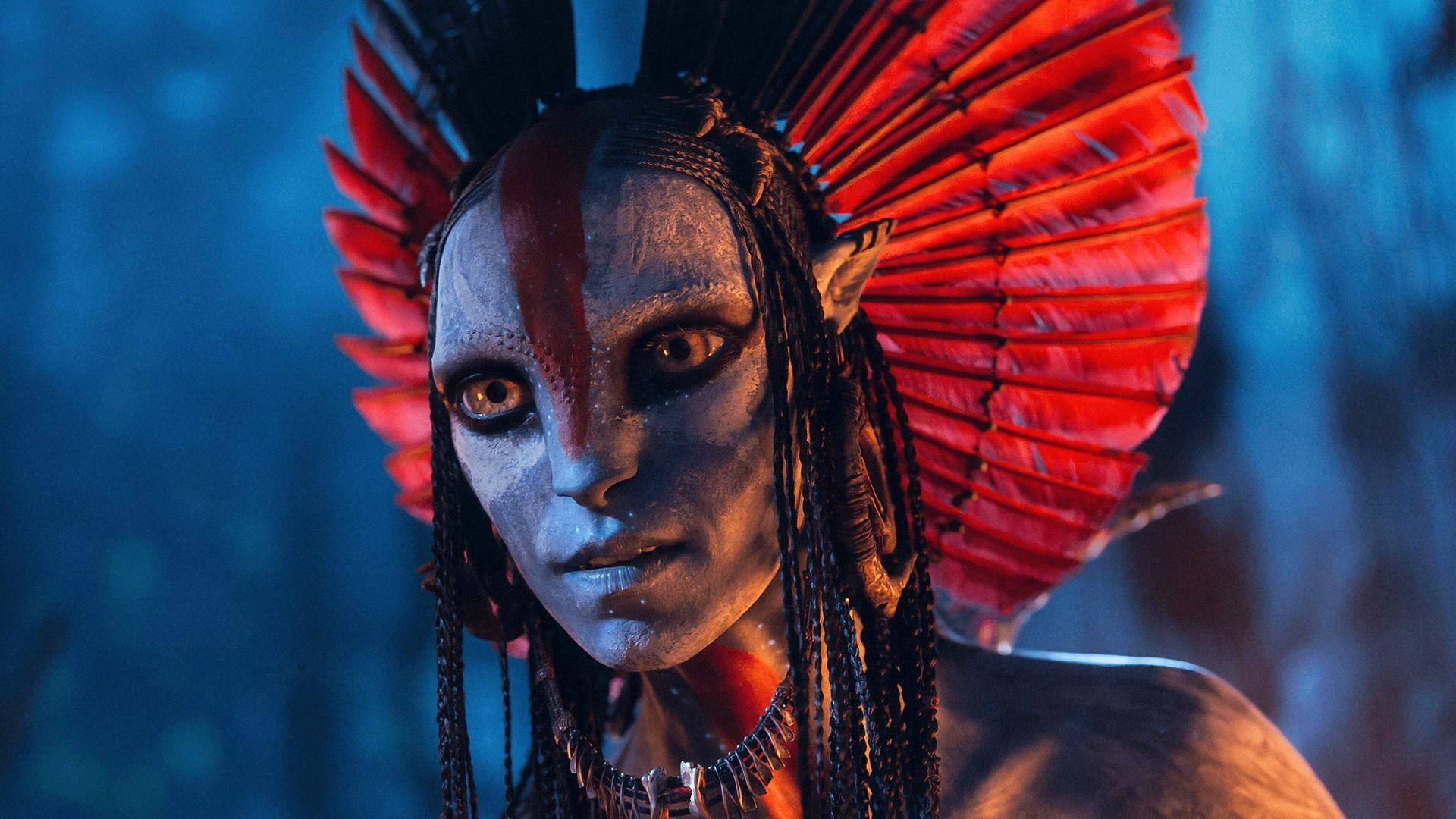
The Avatar franchise is greatly praised for its innovative and unique use of modern technology. The idea of motion capture was popularised by Cameron himself, and he figured out new ways to adapt the advancements of technology to his story. An incredible note about Avatar: Fire and Ash was the cinematic production value. Each scene was something that needed to be digested with the vivid colours, eye-catching landscapes, and mind-blowing sights like the explosions. This film really did capture intense fight scenes with physical combat and weaponry, especially in the final hour of the film with the high intensity of the action that had audiences at the edge of their seats. Whilst this film had this soaring production value, there were many things that lacked substance, making this film the weakest of the trilogy.
Storyline and development. One aspect that is highly noticeable about this instalment is the lack of unique concepts, unlike its predecessors. The material of the film felt rather recyclable, and whilst it can be seen as being an extension of the second film, there was not enough development to aid it in being recognised as idiosyncratic. The same villains, as Quaritch (Stephen Lang), returned for a third time, making the enemy and the fight have the same cause in turn, making the film less interesting. Whilst the new villains, like Varang (Oona Chaplin), showed something we have never seen before, such as an evil Na’vi tribe, their disdain for the Eywa–centric way of life was not explored enough, and they became adjacent to the humans’ destructive plan for the Na’vi people and Pandora, removing the importance of the anti-colonialist theme.
A standout of the Avatar franchise is its exceptionally long run time, with most films reaching the 3-hour mark and beyond.
Length and Pacing. A standout of the Avatar franchise is its exceptionally long run time, with most films reaching the 3-hour mark and beyond. A positive aspect of this is that it allows the fans to drink in the well-structured world but for this film, it felt like it was dragging the story behind because the excessive exposition felt unnecessary for a world that has already been explored, slowing the dynamic and momentum of the film.
Characters. A massive element of this universe is the appreciation for the development of characters, such as Jake’s (Sam Worthington) journey into being assimilated into the Na’vi lifestyle and his status as Toruk Makto alongside, Neytiri’s (Zoe Saldaña) brilliant, feisty attitude and unwillingness to back down to the enemy. However, whilst this film had its moments, there were many characters and their relationships that continued to feel underdeveloped and underappreciated. For example, Lo’ak (Britain Dalton) and Tsireya’s (Bailey Bass) budding romance seemed to lack real substance, and Neytiri’s grief whilst explored, still felt shallow and sidelined because of its lack of depth, her anger was shown and not explained. Characters that were used consistently were disliked by many fans, like Spider (Jack Champion), because he was found to be the central character of this instalment, but was poorly written, and with Lo’ak being the narrator of this film, it felt like there was an inconsistency on who they were trying to prioritise.
Although it was the 3rd highest-grossing film of the year, it hasn’t reached the status of the other two…
Overall, this Avatar film was great regarding experience with its technological special effects, but whilst this was stunning, the emotional depth of the story felt unexplained, even after a further 3 hours of exploration of this universe. Although it was the 3rd highest-grossing film of the year, it hasn’t reached the status of the other two, and it was more so for its recognition as a staple franchise, rather than its genuine cinematic greatness.
Comments