Sci&Tech Editor Zoe Lukacsi explores the benefits of a newly developed blood test which identifies Chronic Fatigue Syndrome
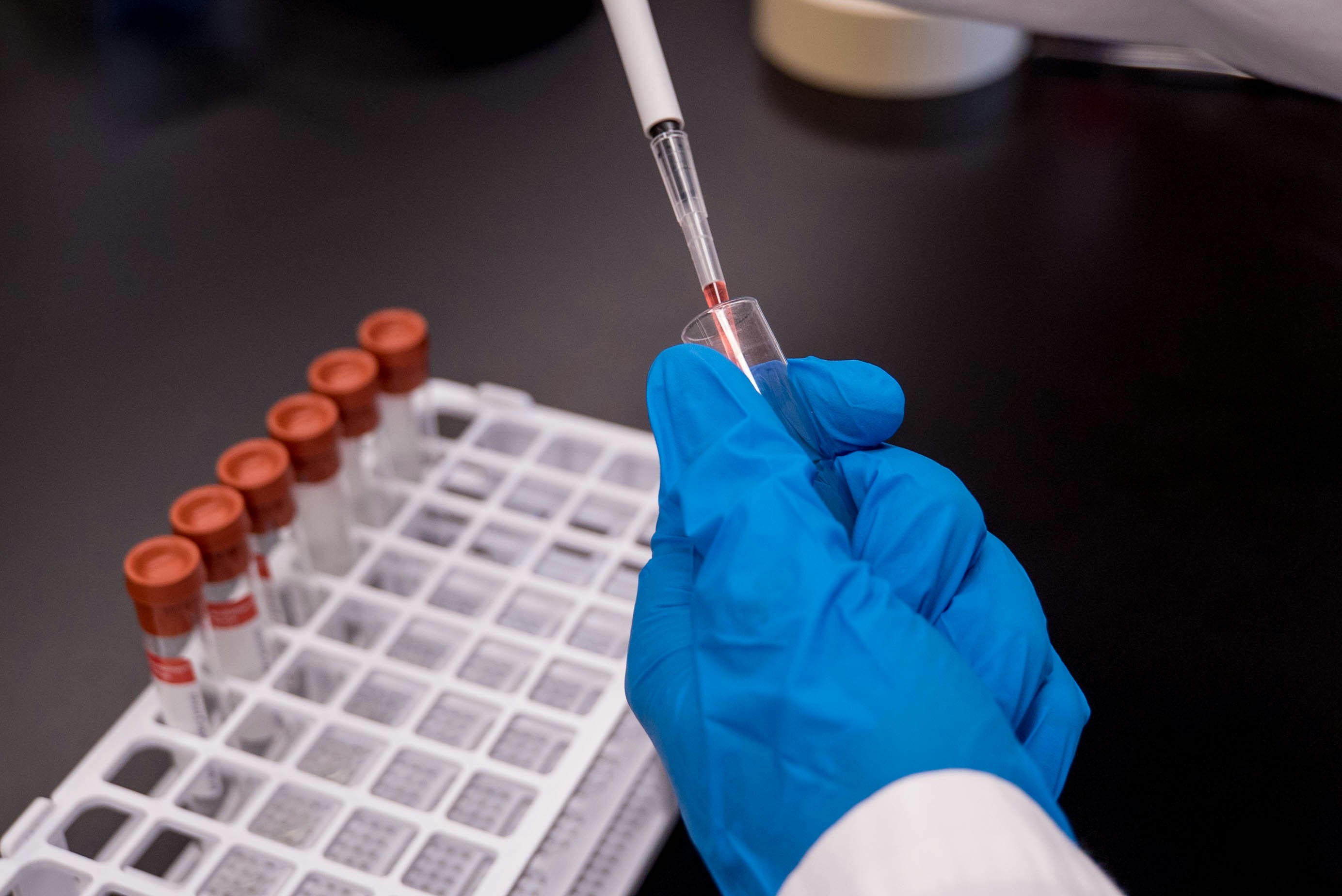
The body is a labyrinth full of mystery, one that takes years to study and understand. Unsurprisingly, there are still a lot of treatments, cures, and knowledge that remain undiscovered. However, each day researchers and scientists attempt to tackle this problem. Recently, a blood test with 96% accuracy was developed to diagnose Chronic Fatigue Syndrome (CFS).
CFS is a long-term and life-inhibiting condition; the common symptoms are extreme fatigue, disordered sleep and problems with concentration (brain fog). It affects over 400,000 people in the UK alone, so researchers from the University of East Anglia and Oxford Biodynamics have taken it upon themselves to contribute to the solution.
Unfortunately, predating this discovery, patients would suffer from misdiagnosis due to symptoms having overlap with other conditions: primary sleep disorders, psychiatric illnesses, and chronic disease. This would cause patients to feel ignored, at times being unable to even get a diagnosis as they are told ‘it’s all in their head.’ Therefore, Prof Dmitry Pshezhetskiy, lead researchist from the University of East Anglia, took the initiative to help people find their voice.
‘It’s all in their head’
The blood test was developed using a sample size of 108 individuals (47 individuals with severe CFS and 61 healthy participants). The participants all gave blood samples to have their DNA analysed, this was done to better understand CFS. Since it is not a genetic disease which can be inherited, it is important to understand which parts of the DNA code of the CFS participants differed from the control group of healthy participants. This helped improve the overall accuracy of the test.
Another important aspect to understanding how the blood test was developed is acknowledging how the use of Oxford Biodynamic’s EpiSwitch® ‘epigenetic markers’ 3D Genomics technology improved the accuracy of the test; ‘epigenetics’ are the ‘non-coding’ part of DNA which folds the DNA. The way DNA is folded determines the way it is expressed. Therefore, this technology combined with the 3D genomic database allowed researchers to develop these blood tests in which the differences in the DNA of a patient with CFS can be discovered quickly and accurately.
A blood test with 96% accuracy
How is the DNA different in someone with CFS? This was researched in a different study with a sample size of 15,579 people with CFS from 27,000 people overall. The results yielded an insight into the complex genome of individuals who suffer from this debilitating disease. It showed that their body responds to infection differently.
This discovery alongside the amazing blood test developed to spot these genetic differences gives CFS sufferers a chance to get treatment. Their voices finally validated after years of undiagnosed or misdiagnosed symptoms; it is a chance to heal and get the treatment they deserve both physically and emotionally.
Looking for more? Satisfy your curiosity by taking a look at:
My Roman Empire is… Not What It Seems?
Scientist Finds Cure To Her Own Cancer Through Self-Experimentation
Comments