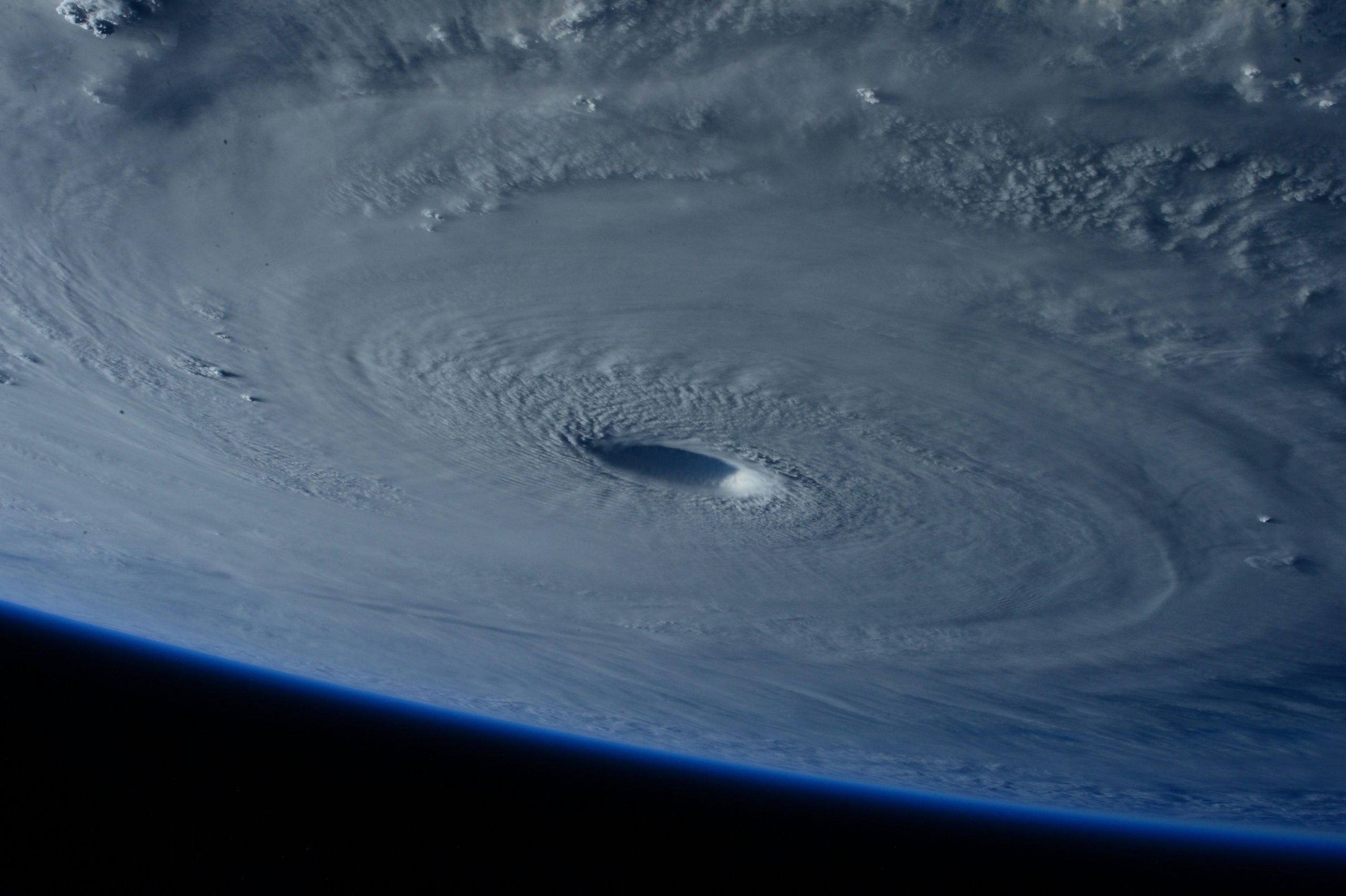
Deputy Editor Lauren Henry unpacks the impact of Hurricane Melissa
On the 28th of October, a category five hurricane made landfall in Jamaica, forcing the Prime Minister Andrew Holness to declare the island as a disaster zone.
A hurricane of this size and power has caused nationwide devastation for Jamaicans and will most likely take years for the country to fully recover
Hurricane Melissa began as a series of thunderstorms on the coast of West Africa in early October. As these storms travelled across the Atlantic, unusually high temperatures in the Caribbean Sea caused the storm to evolve quickly, eventually growing into a category five hurricane. To provide some perspective, Hurricane Katrina – which caused devastation across the United States back in 2005, resulting in over 1,000 lives lost – was also classified a category five hurricane.
Being a much smaller island with, let us be frank, a lot less money than the USA, a hurricane of this size and power has caused nationwide devastation for Jamaicans and will most likely take years for the country to fully recover.
The colossal hurricane first hit Jamaica on the evening of the 28th of October, after being labelled a category five the day before. On the same day as its arrival, Melissa slowed into a category three hurricane before making its way to Cuba on the 29th. Despite this drop in intensity, the cyclonic storm still caused mass destruction, most of which was exposed on the 29th once the rain and wind had begun to clear.
At its peak, the hurricane reached astronomical and sustained wind speeds of 259km per hour on the ground and had Jamaica see 450-650mm of rainfall. The storm also left 2.8 million Jamaicans without electricity, created landslides, and caused flash flooding, causing whole communities to be underwater due to the island’s mountainous terrain.
As reported by the Prime Minister of Jamaica, ‘80-90% of roofs were destroyed’ alongside libraries, hospitals, schools, and airports – Holness has vowed to ‘devote all our energy’ to the island’s recovery.
Hurricane Melissa has resulted in 45 confirmed deaths and 15 missing people as of the 11th of November – this is expected to rise in the coming weeks. Despite this, Prime Minister Holness has reported that the spirit of Jamaicans ‘remains unbroken’ as they prepare for the long recovery ahead.
Hurricane Melissa is an undeniable manifestation of global warming
After passing over Jamaica, Melissa made its way to Cuba, striking the island on the 29th of October with wind speeds reaching 185 kilometres per hour and a total rainfall of 200-400mm. 753,000 Cubans were forced into shelters in an attempt to avoid the tropical cyclone.
Despite not being in the direct firing line, Haiti also felt the vicious consequences of the hurricane, facing landslides and flash flooding across the country, forcing 3,000 individuals into shelters. A total of 20 Haitians have died in the river flooding, with 10 of these being children.
Hurricane Melissa is an undeniable manifestation of global warming, with the increasing surface temperature of the Caribbean Sea being a main cause for the rapid development of the cyclone. Dr Leanne Archer, research associate in climate extremes at the University of Bristol, noted that ‘there has been a perfect storm of conditions leading to the colossal strength of Hurricane Melissa.’
Without a change in attitude towards the increasing global climate, catastrophic events such as this will continue to occur, with each being more ferocious than the last. Unfortunately, countries such as Jamaica and Cuba, who have some of the lowest levels of carbon emissions, will continue to bear the brunt of these manmade natural disasters due to nothing more than poor geographical luck.
It is the responsibility of the biggest greenhouse gas emitters – such as China, the United States, and the countries of the European Union – to tackle these climate concerns before more lives are lost in preventable tragedies. Hurricanes like Melissa mark just the beginning of the climate crisis.
With Melissa being the most violent storm to hit Jamaica in the 21st century, the road to recovery for the nation shall be a long one. In the days after the storm, towns like Mandeville were found to be flattened and coated in rubble. Other areas of the island, such as Montego Bay, were struggling to communicate with and locate residents due to their lack of electricity.
Even now, with some weeks having passed, many Caribbean islands are still clearing their streets of the hurricane’s debris. ‘The whole country will have a deep and permanent scar from this beast of a storm,’ says Hannah Cloke, professor of hydrology at the University of Reading, ‘it will be a long and exhausting recovery for those affected.’
Explore more News articles here:
UN Condemns ‘large number of civilian casualties’ in Northern Gaza as Israel Steps Up Campaign
That Just Happened: Eurovision Song Contest Grand Final 2025
Comments