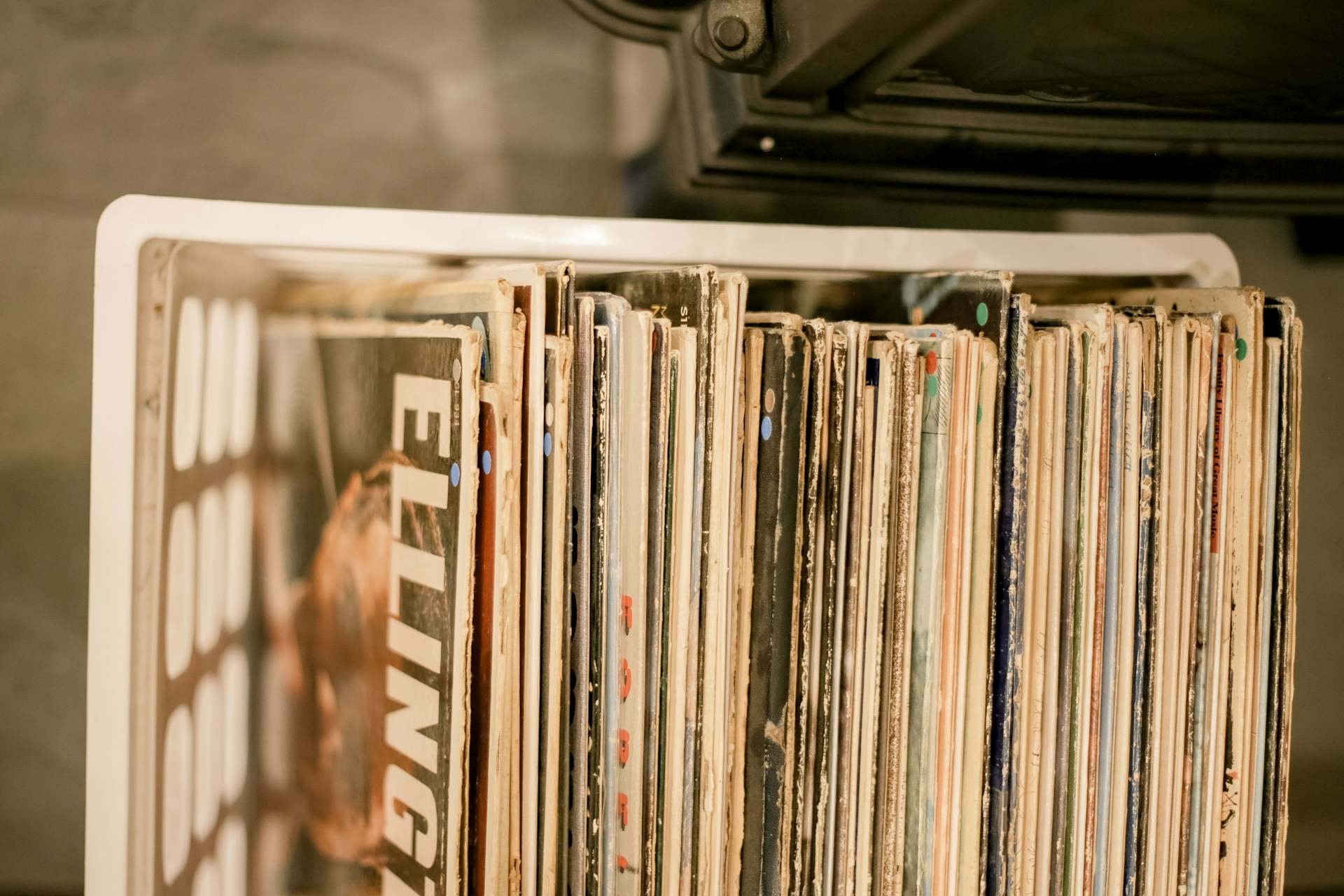
Comment Writer Lucy Warom discusses the growing popularity of physical media, considering whether this is just a trend or a real alternative to digital
Records, CDs, polaroid cameras: Gen Z seems to be turning away from digital forms of consumption and back to physical media. But is this actually a mass rejection of overdigitalisation, or just another microtrend promoting consumerism and overconsumption?
In modern times, where even ordering at a restaurant involves QR codes and online payments, many people are looking to reduce the amount of time they spend looking at screens. Physical media like DVDs and vinyl records provide an avenue to consume media while disconnecting from algorithms. Consuming physical media gives a sense of control that isn’t present when using digital platforms. The experience is far more curated and has more emphasis on personal ownership; your favourite film could be removed from Netflix tomorrow, but owning it on DVD means it’s yours forever. You don’t have to store media with a corporation you can’t know or trust with physical media. It’s just yours.
Nostalgia is playing a major role in the resurgence of physical media. Physical media tends to be associated with memories, especially for older members of Gen Z. CDs and vinyl records often remind us of ways our parents listened to music when we were growing up, and many of us have a desire to recreate these experiences because they feel more authentic than the digitally curated memories created with our phones. Physical media feels far more real; it’s in your hands, and you consume it far more intentionally than you would through passive scrolling.
Physical media also acts as a rejection of the perceived ‘slop’ that digital platforms have become saturated with. Physical forms of media can be seen as a safe haven away from the AI-generated images, videos and music that have overtaken social media. Physical media feels far more real; it’s in your hands, and you consume it far more intentionally than you would through passive scrolling. Physical photos like Polaroids and film feel especially distanced from the doctored, AI-generated images our feeds seem to be full of. Physical media can feel much safer and far more reliable.
Physical media certainly has its benefits, but in a society characterised by a capitalist, consumerist drive to buy more and more, there’s a risk for it to simply become another avenue to own as much as you can. Preferring physical media is a way to present ourselves as cooler, more retro, and different from everyone else.
It does need to be acknowledged that ownership and use of physical media is a privilege. Curating collections of records and books can cost upwards of thousands of pounds, a price many can’t afford as the cost of living continues to skyrocket. In this way, the use of physical media over digital can be seen as a class identifier, a symbolic expression of wealth. A record collection, especially one composed heavily of modern records, identifies you as someone who can afford to drop £34.99 on Sabrina Carpenter’s new album.
The idea of being ‘performative’ has almost lost meaning with overuse recently, but I think it has merit when considering it along with the resurgence of physical media. While many people value physical media for the connection and nostalgia it provides, there’s also many people who value being seen to prefer these things. Social media pushes us to curate our identities into marketable brands, and preferring physical media is a way to present ourselves as cooler, more retro, and different from everyone else.
The associated importance of being perceived as someone who reads physical books and listens to music on a Walkman detracts from many of the positives of physical media. It shifts us back into a digital state of mind: is my record player instagrammable? Do my wired headphones look cool in this selfie? When content creators post their year’s recap of what they’ve read standing next to a tower of books the same height as them, the emphasis is placed on the owned physical media rather than any experience gained from actually reading those books. [Will this] just be another microtrend of overconsumerism as a personality trait?
There’s nothing wrong with collecting things, but when the collections come from quickly accumulated items owned for the sake of having stuff, the purpose of amassing a curated collection is lost. It stops being about knowing yourself and what you like and becomes another way for companies to push consumerism as a personal identity. If one of the perks of physical media is not being held to algorithms controlling what you see, that benefit is lost when your collection is composed of SEO optimised TikTok shop purchases.
So, is physical media actually back? My answer is a slightly disappointing maybe. With the resurgence of physical media being fairly recent, it stands to be seen whether people will begin prioritising actual tangible forms of media over digital, or whether this will just be another microtrend of overconsumerism as a personality trait.
If you liked this, read more from Redbrick Comment:
Wicked, Weight-Loss and ‘Well-Intentioned’ Comments
Comments