Sofia Coppola’s Lost in Translation is a film that breathes in silence and speaks through glances. It doesn’t shout its intentions, nor does it rely on conventional storytelling arcs. Instead, it moves like a memory—fleeting, intimate, and full of emotional residue. With this 2003 feature, Coppola cements her voice as a director unafraid to linger in stillness and explore the unspoken spaces between people.
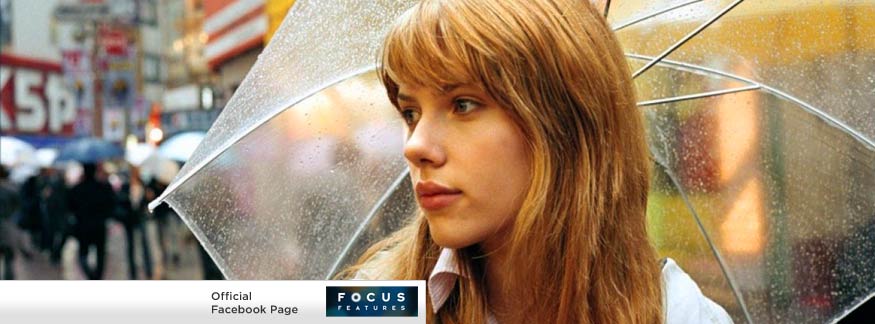
Set amid the electric sprawl of modern-day Tokyo, Lost in Translation follows two American travelers at vastly different stages of life, yet similarly adrift. Bill Murray plays Bob Harris, a faded Hollywood actor now coasting on overseas endorsement deals and the numbing predictability of his fame. Scarlett Johansson is Charlotte, a recent Yale graduate accompanying her photographer husband on a work trip, grappling with the overwhelming sense that life is moving around her without her. Both find themselves disconnected—not just from Japan, but from their own sense of purpose.
Their meeting is incidental, their bond unpredictable. What unfolds is less a love story and more an emotional alliance formed through shared vulnerability. There is no melodrama, no forced stakes, and no grand confessions. Coppola is more interested in exploring the subtleties of loneliness and the strange comfort of finding someone else who feels as untethered as you do. The film’s strength lies in its restraint. The interactions between Bob and Charlotte feel real—hesitant, awkward, honest.
Johansson, in a breakout role, brings remarkable depth to Charlotte.
Murray’s performance is among the most celebrated of his career, and rightly so. His portrayal of Bob is imbued with quiet sadness and gentle wit, a man bemused by the absurdities of his surroundings but clearly burdened by more personal concerns. Johansson, in a breakout role, brings remarkable depth to Charlotte. Her performance is contemplative and unaffected, capturing the silent despair of feeling lost even in a crowd. Together, they create a dynamic that’s as poignant as it is undefined.
Visually, the film is a sensory experience. Lance Acord’s cinematography captures the strange beauty of Tokyo—from its buzzing streets and karaoke bars to the sterile calm of high-rise hotel rooms. The city becomes a character itself, reflecting the emotional disorientation of the protagonists. Coppola avoids the trap of exoticism and instead portrays Tokyo with curiosity and reverence, never letting it overshadow the emotional core of the film.
The music floats through scenes like a whispered thought, deepening the atmosphere without ever intruding.
Complementing the visuals is a hauntingly beautiful soundtrack. Composed of ambient, shoegaze, and indie rock tracks—most notably from Air, Phoenix, and Kevin Shields—the music floats through scenes like a whispered thought, deepening the atmosphere without ever intruding. Each track is carefully placed, echoing the film’s emotional cadence with meditative precision.
Lost in Translation is ultimately a meditation on identity, intimacy, and impermanence. It captures those transient, liminal moments of human connection—when nothing overt happens, yet everything changes. Coppola’s screenplay won her the Academy Award for Best Original Screenplay, a fitting honour for a work that so precisely understands how much can be said without words.
In a world increasingly saturated with noise and speed, Lost in Translation offers the opposite: a film that slows down, listens, and invites the viewer to sit with uncertainty. It doesn’t tell us what to feel; it simply creates a space where we can.

Comments