Film & TV Writer Caitlin Rock discusses Harry Potter’s place in modern society in light of J.K. Rowling’s controversial beliefs
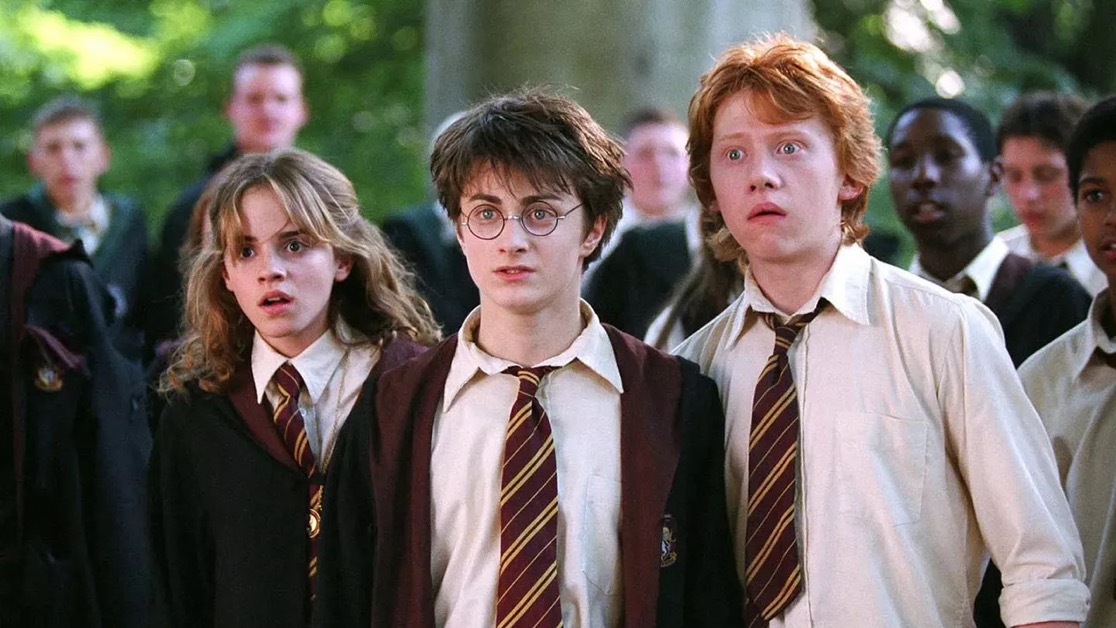
2027 is set to bring us the new Harry Potter TV series, a retelling of a story first told in 1997; the story of ‘the boy who lived’. After a seven book series; an eight movie run; and spin off films, books, video games, and plays, a question starts to emerge: should we let Harry Potter die?
Rowling’s discriminatory nature is buried deep within the foundations of the text.
The first thought that has probably come to your mind is J.K. Rowling and her now years-long transphobic tirade that has made her the figurehead of ‘Trans Exclusionary Radical Feminism’, better known as TERFism. This is not a one dimensional issue, however. Rowling’s discriminatory nature is buried deep within the foundations of the text.
Recent analysis have led to people realising that Harry Potter is full of stereotypes; from the money hoarding goblins to the strangely pro-slavery house-elf story line and the almost comedically named ‘Cho Chang’ and ‘Kinsley Shacklebolt’, it seems not a single minority group can escape Rowling’s cliched grasp. Racist messaging is embedded deep within the text of Harry Potter, suggesting it is also embedded deep within Rowling. In her own words, she tells Variety she is ‘very involved’ in production of the TV series; it seems unlikely that she will depart from this belief system.
The calls of ‘seperate the art from the artist’ are never far behind this conversation. However, Rowling’s claim that the money she makes from the Harry Potter Franchise will directly fund anti-trans legislation in the UK, makes this a difficult task. For potential viewers, the fact that their enjoyment of any piece of Harry Potter related media is almost directly channelled into worsening the lives of trans people in the UK should be considered when making the decision about whether or not to watch the new show. By that measurement, the art cannot be separated from the artist.
But even when we examine the art alone, the question of letting Harry Potter die persists.
Unlike what Roland Barthes claims, the author is not dead, but maybe if she was, the new series would have more justification. As it stands, the last Harry Potter film hit cinema screens just fourteen years ago. With the author of the original text creatively involved in both the films and the new TV show, how much of a new or innovative interpretation can be offered?
Could Cho Chang be renamed to something that isn’t just two surnames from different East Asian countries smashed together? Perhaps. But is that really worth it? Instead of allowing an author like J.K. Rowling to retell a story that is entwined with her beliefs, space could instead be made for new fantasy worlds that aren’t based on the foundational idea that some people are inherently better than others.
What is the series adding other than money into Rowling’s pocket?
The Harry Potter franchise has been almost inescapable since its meteoric rise to popularity, and the movies still hold profound viewership today. Perhaps in a few decades time a reprise of what could then be considered a classic franchise might have more cultural value. But now? What is the series adding other than money into Rowling’s pocket? Any additions to feel like blatant cash-grabs – made worse when we know exactly where that cash is going.
So, yes, I think we should let Harry Potter die. The franchise can be deemed complete. And, whilst I personally won’t be spending any money that will end up in Rowling’s hands, the books, TV shows, and video games all still exist for anyone who wants to continue to indulge in this story. 29 years of churning out Harry Potter media is surely enough.
More from Redbrick Film & TV:
Comments