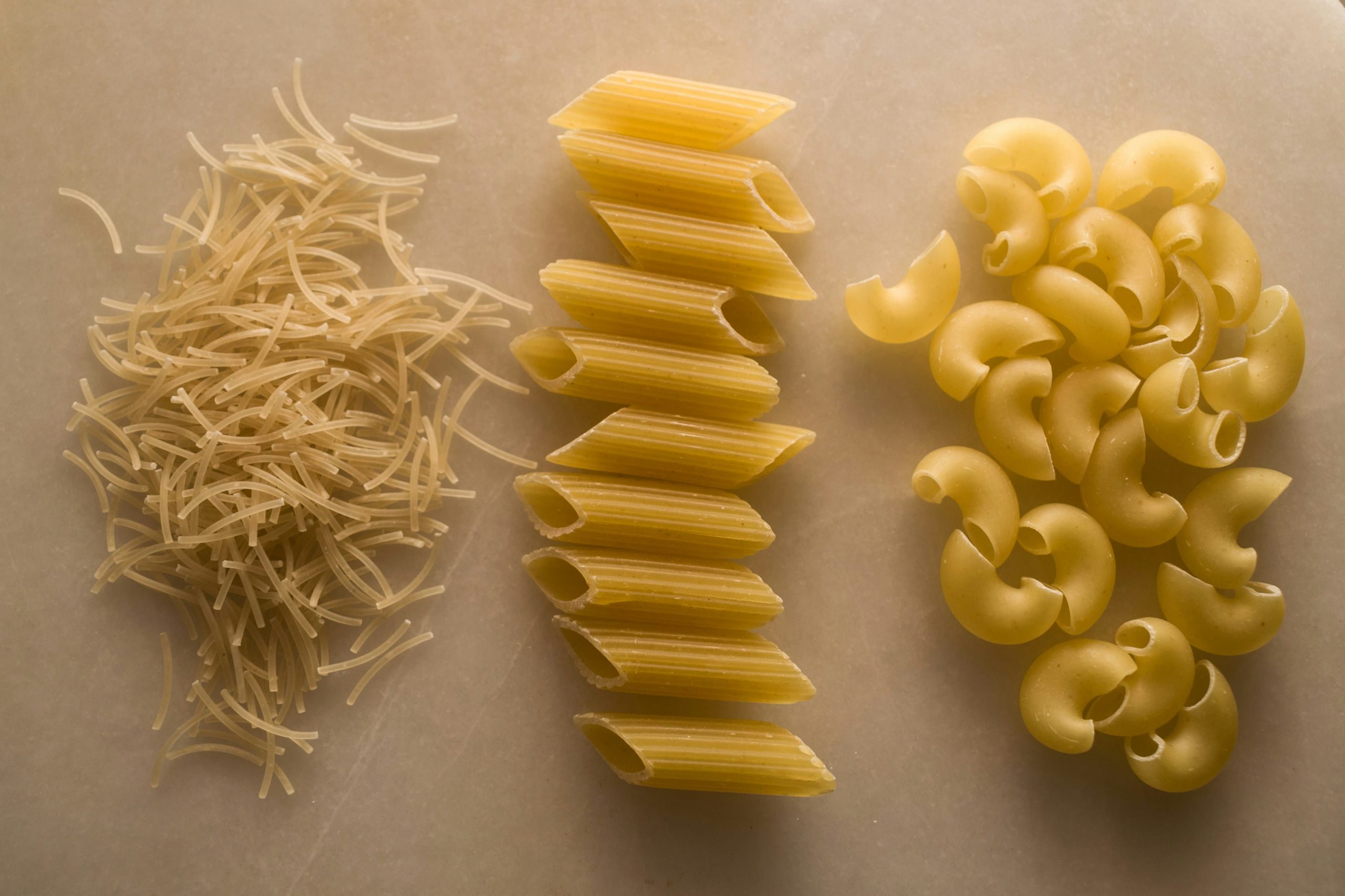
Food&Drink writer Joseph Helsby gives a student guide to pasta shapes
When it comes to making pasta dishes at university, my pasta of choice has often been dictated by the availability in Aldi. However, Italians seemingly have very strict rules regarding pasta and sauce matchmaking, with British students often ignoring them for the sake of convenience. For much of my life, I believed there was no logic to the pasta rules, and that certain combinations existed merely due to tradition and status quo. However, through research and lengthy conversations with my girlfriend and her dad, I have come to realise that the right pasta can make all the difference to the pasta eating experience. While pasta shapes do not impact the overall taste of a dish, the correct shape can provide more satisfying sensory mouthfuls.
…I have come to realise that the right pasta can make all the difference to the pasta eating experience.
Bolognaise
The combination of ragù, or Bolognaise sauce, with spaghetti is one of Britain’s greatest pasta crimes. The fatal flaw of pairing spaghetti with Bolognaise sauce is that the shape is too smooth and thin, meaning that thick, meaty sauce slides right off the fork. As a result, you often find yourself eating the pasta and sauce separately, rather than together as one dish. This makes the eating experience incredibly inefficient. In her book an A-Z of Pasta, Rachel Roddy, a food writer and cookbook author, explains that our desire for ‘spag bol’ comes from nostalgia rather than the eating experience itself. A better pasta shape for a heavy, meaty sauce would be those with more surface area, such as short, ridged, tubular shapes such as rigatoni, or long flat shapes such as tagliatelle. Both are able to carry more sauce in each mouthful, elevating the eating experience.
Pesto
Pasta pesto is one of the quickest and easiest student meals of all time. However, it too can be improved with the correct shape. The thicker viscosity of the pesto sauce lends itself to pasta with grooves and twists. As a result, fusilli is the perfect, and often most common, choice, as the pesto works itself into its grooves, meaning more pesto per mouthful. Filled pasta, such as ravioli, or tortellini, doesn’t work as well with pesto for several reasons. These shapes are too smooth for the pesto to stick to, and the flavour combination of pesto and pasta filling can confuse the palate.
Carbonara
Finally, we turn to carbonara. Supposedly taking its name from the Italian word for charcoal, the dish is composed of pork lardons, egg, parmesan, and black pepper. The sauce is smooth and silky, therefore requiring a pasta shape that can be evenly coated. As a result, the most suitable pasta shapes for this type of sauce are long, thin, and smooth, such as spaghetti. In contrast, pasta shapes such as penne or shells don’t work well. Penne allows the sauce to drain through its centre, leaving a puddle of eggy sauce at the end of the meal, while shells create pools of sauce that result in an awkward and messy bite.
The sauce is smooth and silky, therefore requiring a pasta shape that can be evenly coated.
Ultimately, pasta rules should not be about culinary snobbery, but about making the most of an already cheap and comforting meal. Nobody should be made to feel bad about a midweek ‘spag bol’, but an awareness of the basic past shape principles outlined here can elevate a cheap student meal into something classier. With thousands of pasta shapes available, there is plenty of scope to experiment and find the combinations that work for your signature dishes.
Hungry for more? Check these articles out:
Valentines Sweet Treats Perfect for Sharing Love
Comments