Comment Writer Isabel Whitt sheds light on the dire state of student safety in Selly Oak and the actions, or lack thereof, being taken to address the problem
Selly Oak, affectionately nicknamed ‘Smelly Oak’, has always had a reputation. It is the red-brick home for over 10,000 students at the University of Birmingham. Each year, thousands of us transfer from the lake and green safety of the Vale to terraced houses in Selly, attracted by proximity to campus and the promise of pubs, shops and the fun of a properly ‘studenty’ area. But with regular break-ins, anti-social behaviour and streets scattered with shattered glass, it is fair to ask: is Selly Oak actually a safe place to live?
In December 2025 alone, 269 crimes were reported in Selly Oak, including 90 violent and sexual offences and 26 burglaries, according to West Midlands Police. Statistics feel less abstract when you are stepping over broken car windows and abandoned furniture on the way to your lecture. Steering wheel clamps have become standard. Fireworks have been set off at pedestrians; fights in the streets and speeding cars are not uncommon. In October, my flatmate had to crouch to avoid a firework launched in the Aldi car park. I, myself, have been catcalled from passing cars and felt unsafe walking home alone in the dark. For women especially, feeling unsafe is routine.
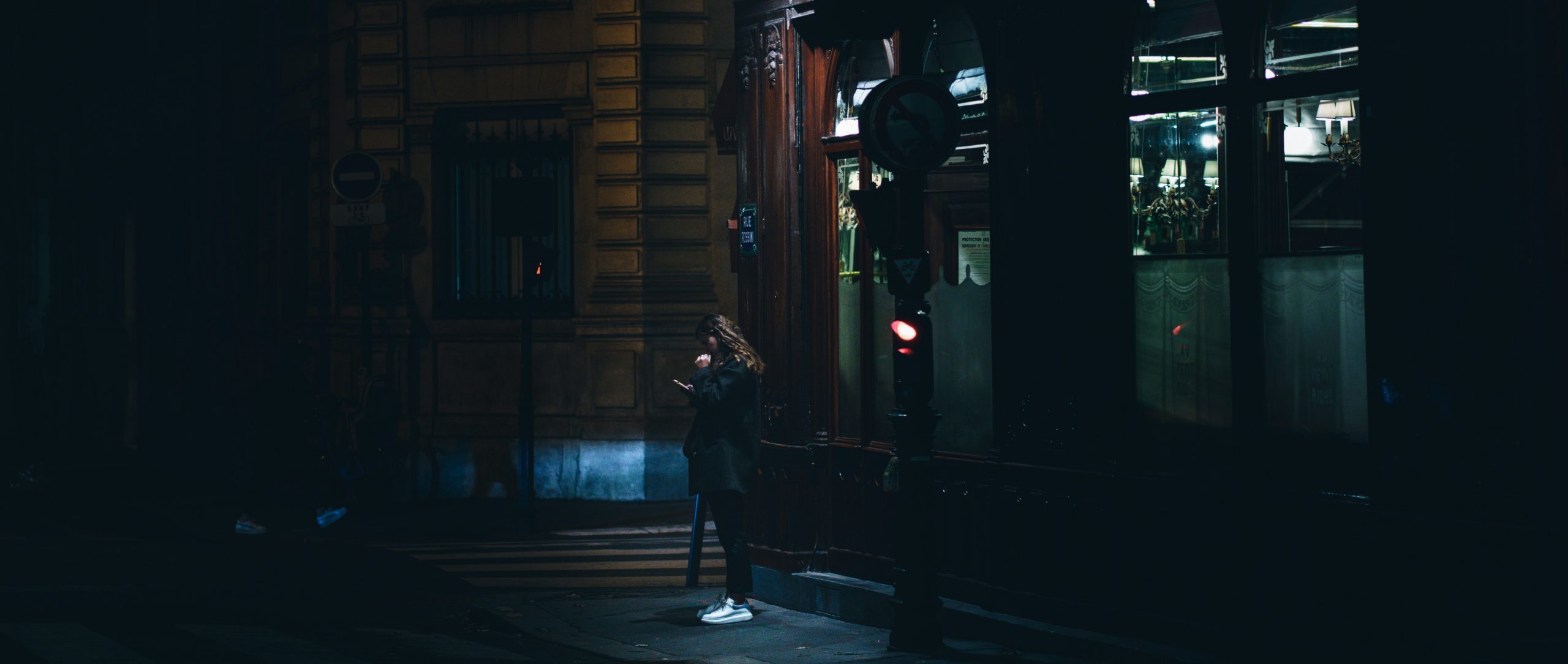
‘Anti-social behaviour’, particularly for many female students in Selly, stops feeling like an abstract idea and becomes more like a daily calculation: Which route is better lit? Is it too late to walk back alone? Should I consider the Selly Express? For women especially, feeling unsafe is routine. Being handed a rape alarm in freshers’ week does little to reassure you when harassment, shouting from cars, spiking and following are common stories shared between friends.
To the University’s credit, there have been initiatives. In 2022, it published ‘Making it Happen: Safety and Security Support’, outlining a new Community Safety Team, a Safety Hub at North Gate, and free personal alarms and security devices. The SafeZone app links students directly to campus security. The Guild runs the Selly Express bus from 7pm to midnight. Community Wardens patrol, organise litter picks and offer advice on burglary prevention. The burden has shifted onto students.
It sounds reassuring. But most of it manages risk rather than pre-emptively reducing it.
We are told to download SafeZone. To use Hollie Guard. To track each other. To keep one AirPod out. To hide parcels. To carry alarms. To avoid walking alone. To clamp steering wheels. At what point does ‘safety advice’ become an admission that the area is objectively unsafe?
The burden has shifted onto students. We are expected to adapt to Selly Oak rather than see Selly Oak adapt to us. Meanwhile, rubbish piles up for weeks, attracting vermin and signalling neglect. Street lighting is limited on major residential roads such as Dawlish, Tiverton and Hubert. Houses are subdivided to maximise profit, with landlords often charging high rents for poorly maintained properties.
The University (not unreasonably) will argue that Selly Oak is not campus. Policing falls to West Midlands Police. Waste collection is a council responsibility. Landlords are private actors. All true.
But the University benefits enormously from Selly Oak’s existence. If thousands of its students live in one concentrated area, year after year, safety there is not peripheral; it is fundamental to student welfare.
So when the Guild or University says they are ‘working on it’ what has changed? Safety… is not peripheral; it is fundamental to student welfare.
There have been meetings with MPs, burglary campaigns and targeted policing. Shoplifting has reportedly decreased slightly. These efforts are not meaningless. But for many students, the lived experience feels unchanged. The same streets are known hotspots. The same advice circulates each September. The same piles of rubbish, abandoned furniture and shattered glass reappear. The constant ring of sirens.
Tangible change would mean better street lighting on student-heavy roads, firmer pressure on landlords to meet higher security standards, transparent reporting on crime trends, and clear action plans after public meetings. It would also mean recognising that routinely telling young women to carry alarms and share their location is not a long-term safety strategy.
Selly Oak may not be the most dangerous place in Birmingham. But for a neighbourhood so closely tied to a major university, ‘not the worst’ is not good enough. If student welfare is genuinely a priority, then improving safety in Selly Oak must move beyond advice and into visible, structural change.
If you liked this, read more from Redbrick Comment:
What Actually Happened in the Liberated Zone?
Comments