Film & TV Writer Rida Hasan reviews Ryan Murphy’s third installment of Monsters, an unsettling retelling of serial killer Ed Gein’s crimes that ultimately feels purposeless and overly indulgent in true crime gore
Content warning: discussions of sexual assault, rape, violence against women
Having tackled Jeffrey Dahmer and the Menendez brothers in the previous instalments, Ryan Murphy and Ian Brennan’s latest season of Monster turns to one of America’s most disturbing figures: Ed Gein. Fueled by depravity and sickening fascinations, Gein’s horrifying crimes inspired cinemas’ most infamous villains, from Norman Bates, to Leatherface and Buffalo Bill, making him one of the most notorious murderers in US history. However, while the subject matter inherently disturbing with mutilation, necrophilia, and cadavers at the forefront, The Ed Gein Story fails to balance horror, accuracy, and empathy leaving audiences with a season that feels sensationalized and uncomfortably sympathetic.
Typical of Murphy and Brennan’s work, the performance rises far above the material.
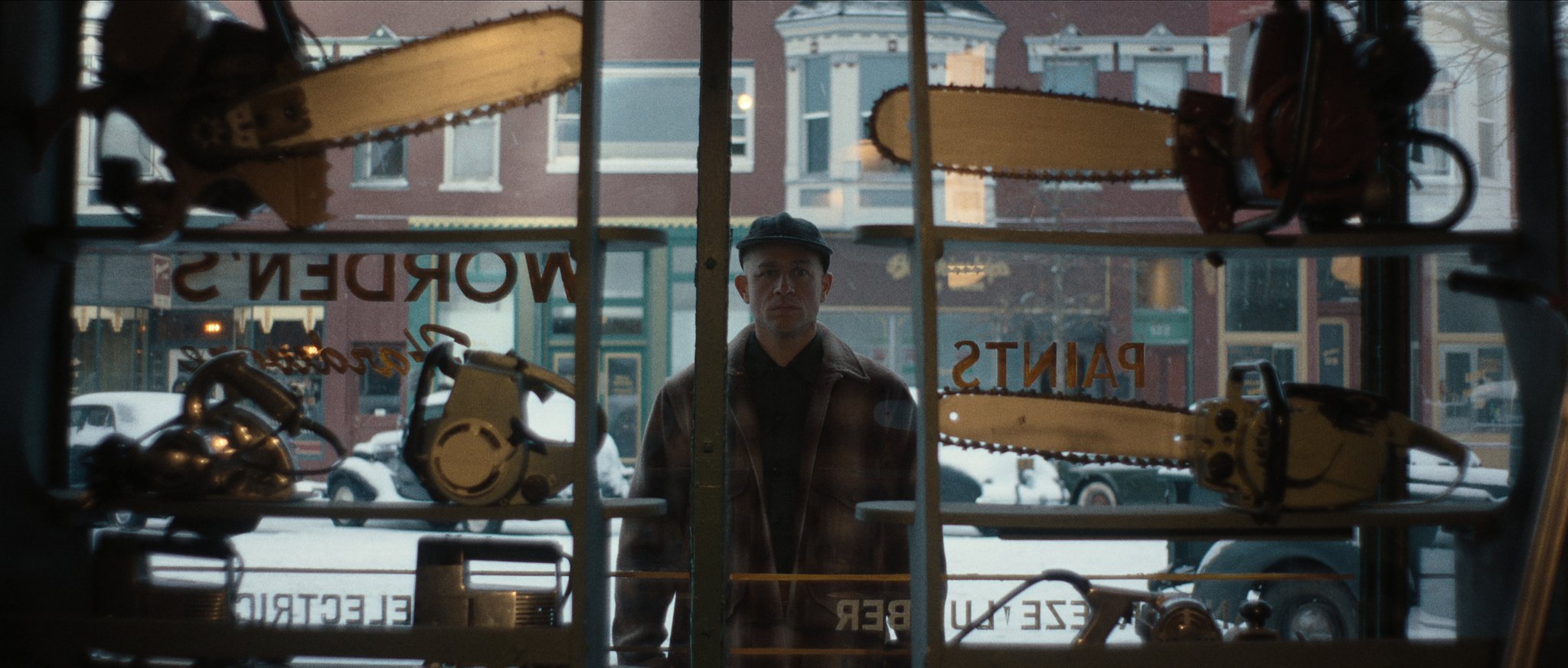
Typical of Murphy and Brennan’s work, the performance rises far above the material. Charlie Hunnam delivers a harrowing portrayal of Gein, his subtle expressions conveying the sharp swing from seemingly harmless to entirely deranged. The unsettling calm and understated physicality bring a sickening authenticity revealing Gein’s juxtaposing layers: the mild-mannered recluse and the unhinged murderer. The voice Hunnam developed, adds an eeriness, gentle and deliberate, although occasionally drifting towards a slightly Irish lilt which briefly distracts from the rural Wisconsin setting.
Laurie Metcalf is terrifying as Augusta Gein, Gein’s fanatically religious mother whose suffocating moralism and cruelty are depicted as the root of Gein’s psychological issues, breathing a new life into the familiar “Bible-thumping mother” archetype. However, the writing seemed insistent on offloading the blame onto her, implying that Gein’s crimes were an inevitable product of his upbringing – a troubling angle in a world that is already far too comfortable excusing male violence.
Adaline Watkins (Suzanna Son) was especially electric. Obscure enough a figure to allow creative freedom, she’s shaped into a wildcard who continually subverts every expectation we have. Son imbues Adaline with an eruptive volatility, sharp of tongue and unapologetically unhinged. Particularly fascinating is her role in holding up the mirror to the audience. She fulfils her fascination with the macabre with her passion for crime photos first, and then through Gein, while keeping her own hands clean. Sound familiar?
…a show seemingly about a man who violated women in unimaginable ways, instead seems to spend a suspicious amount of time finding ways to blame women.
In general, the shows main issue is the tone. The mix of horror and empathy becomes murky and misdirected, framing Gein as broken by circumstance, a social loner, repressed by his mother’s puritanism, manipulated by women, and inspired by Ilse Koch. The result is a confusing inversion – a show seemingly about a man who violated women in unimaginable ways, instead seems to spend a suspicious amount of time finding ways to blame women.
Also questionable is the approach to queerness. The inclusion of transgender icon Christine Jorgensen is historically completely unfounded which leads us to question the intent behind her inclusion. Presented as a figure of fascination for Gein, as he finds some kind of justification for his gynephilia, Jorgensen appears to him as a guiding force. While she insists in the show they are “nothing alike”, the implication lingers, unfairly conflating queerness with deviance, and a strange and unnecessary move from the creators.
The stomach-turning degree of explicit butchery has no higher purpose; rather than interrogating our morbid curiosities and true crime obsessions, it simply indulges it.
While Murphy’s stylistic flair remains intact with the chilling greys and ever-creeping dread of the rural Midwest, this season’s blatant disregard for accuracy was apparent. Relying on invention in characters, motivation and events, it’s clear the series was pumped with padding in a desperate attempt to stretch the sparse historical detail into eight episodes. Depicting necrophilia is a key example of this, with no evidence of this in Gein’s case, as well as the exploitative and graphic depiction of victim’s bodies, which crosses the line from horror to insensitivity.
Indeed, the later episodes felt increasingly busied with recognisable serial killers and unnecessary throwaway cameos, with no clear intention. These appearances drive nothing, were lurid for the sake of it, and were generally pointless. After this season, one can only hope they can be explained as the creators stacking their cinematic universe of potential subjects into one episode and indicating a wrap on the series.
In the end, Monsters: The Ed Gein Story feels hollow. Despite its haunting performances and stylistic merit, it suffers from severe lack of commitment to intention. The stomach-turning degree of explicit butchery has no higher purpose; rather than interrogating our morbid curiosities and true crime obsessions, it simply indulges it. At the end of this we are left not with reflections, or even horror, but simple an unsettling sense of having watched something that celebrates the myth, rather than confronting the man.
Rating: 2/5
More from Redbrick Film & TV:
Sam Mendes’ Beatles Biopics: Where Are the Liverpudlian Actors?
Comments