Film & TV Writer Isabelle Pinkney introduces us to the world of indie animation
The term independent, or ‘indie’ animation refers to all animation produced independent of major animation studios and production companies. It has been in the public consciousness since 1959, when Moonbird, a short film created by husband-and-wife team John and Faith Hubley, became the first indie animated film to win an Oscar. Ever since, animators have been using readily available software, such as Blender and OpenToonz (a version of the software Toons, customised by animation powerhouse Studio Ghibli), to bring their creative ideas to cartoonish life.
They have been capturing the hearts of their viewers ever since.
Mainstream animation continues to dominate cinema screens and streaming platforms, but, with the rise of the internet in the 1990s and 2000s, indie animators were able to flood YouTube with their personal artistic voices and unique animation styles. They have been capturing the hearts of their viewers ever since.
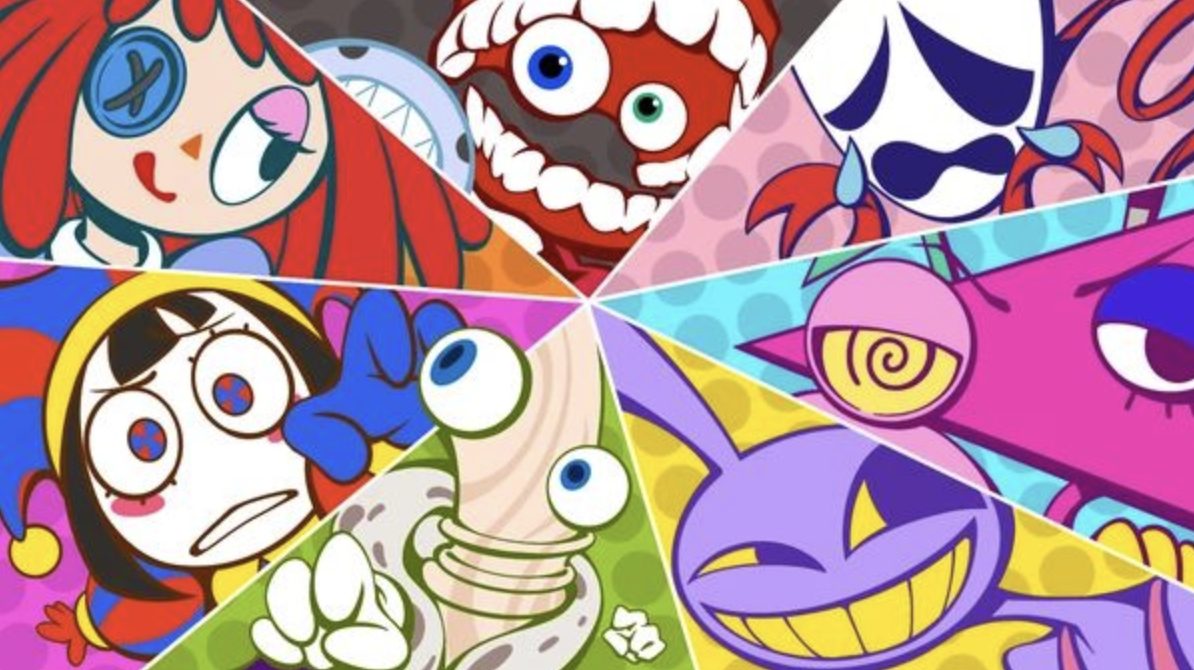
Then, on the 13 October 2023, the pilot episode of indie animated show The Amazing Digital Circus was uploaded to YouTube, and the world was formally introduced to Pomni: a jester costume-clad woman who finds herself trapped in a virtual world presided over by a rogue AI. Captivated by the retro visuals and seamless blending of humour and horror, an avid fanbase was soon formed. The episode went viral, and is now the most-watched animation pilot in the history of YouTube.
To what does indie animation owe this enduring success? The odds are stacked against it: animation can be expensive and time-consuming, and indie works are often not marketed as widely as their mainstream counterparts. However, it turns out that YouTube is the ideal place for new fanbases to thrive.
The streaming services and cinema screenings usually offered to mainstream animated media do not allow for the same direct audience contact provided by a YouTube video’s comment section, where animators, directors, showrunners and voice actors can interact with fans of their work and thank them for their support. Some voice actors are particularly famed for their engagement with fans, including American voice actor Michael Kovach, who has lent his voice to fan-favourite characters of indie animated shows The Amazing Digital Circus, Murder Drones, and Lackadaisy.
However, it turns out that YouTube is the ideal place for new fanbases to thrive.
Direct audience contact is crucial to maintaining fan engagement. Animation is a long process, especially for creators who do not have the support of a large studio. By keeping fans of their work updated on their progress in the long waits between instalments, animators, showrunners, directors and voice actors can keep their audience from losing interest. Instead, they maintain excitement for the next instalment, no matter how far from completion it may be.
Indie animation is by no means confined to YouTube. Its popularity has meant that, in recent years, indie animated shows have been able to reach wider audiences by making it onto popular streaming platforms. Hazbin Hotel, an animated show which was considered indie until
it was picked up by A24 and Amazon MGM Studios, is now available to watch on Amazon Prime alongside its sister show, Helluva Boss, and the completed first season of Murder Drones. The Amazing Digital Circus is currently available on Netflix.
Creators of indie animated media are able to maintain a lot of creative freedom. Even in the case of indie shows which are produced and funded by independent animation studios, such as indie animation powerhouse Glitch Productions (which produces both The Amazing Digital Circus and Murder Drones), the shows’ creators usually have the final say over all major creative decisions.
Creators of indie animated media are able to maintain a lot of creative freedom.
The indie animated show Knights of Guinevere, produced by Glitch Productions and created by Zach Marcus, John Bailey Owen, and former Disney animator and director Dana Terrace, is in part an exploration of Terrace’s frustrations with The Walt Disney Company and its alleged treatment of her Disney animated show The Owl House. The show was cancelled by the channel, and its third and final season cut short.
Indie animation almost exclusively tells original stories, whereas mainstream animation could be seen as relying on sequels in recent years. This year, several animated movies from mainstream animation studios, focusing on original ideas, are set to take over cinema screens across the world, including Goat from Sony Animated Pictures, Hoppers from Pixar Animation Studios, and Wildwood from LAIKA, but the focus is still on sequels and remakes.
I am definitely looking forward to the releases of Toy Story 5, The Super Mario Galaxy Movie, and Minions 3 this year, and the promise of a Shrek 5, Frozen 3, The Incredibles 3, and The Teenage Mutant Ninja Turtles 2 in 2027. However, indie animation, by offering an abundance of original ideas, could be a welcome alternative for people who have little to no interest in the sequel craze. The predominance of live-action remakes of animated classics could also suggest a trend of growing disinterest in the animated medium at large.
Indie animated shows, on the other hand, are usually able to avoid cancellation.
With the hugely popular animated show She-Ra and the Princesses of Power scheduled to leave Netflix on the 21 February this year, some questions are being raised about the future of animation, especially animated shows. Despite Netflix picking up The Amazing Digital Circus, it has cancelled numerous popular animated shows over the years, including, recently, Scott Pilgrim Takes Off, Exploding Kittens, and Twilight of the Gods. Indie animated shows, on the other hand, are usually able to avoid cancellation. They are not made with any significant financial incentive, because animation is such a long, costly process, especially without the help of a big corporation, so they cannot be cancelled for not making a large enough profit.
Indie animation has limited money and manpower behind it, but it manages to accomplish incredible things, using unique styles to tell unique stories. Mainstream animation is currently still going strong, but with indie animation growing more popular, fans of the medium are getting more options to choose from. From pilot episode to finale, indie animated shows cultivate dedicated fanbases and take them on adventures to outer space, digital circuses, and sometimes even Hell itself.
More from Redbrick Film & TV:
TV Review: The Secret Lives of Mormon Wives Season Three
Comments