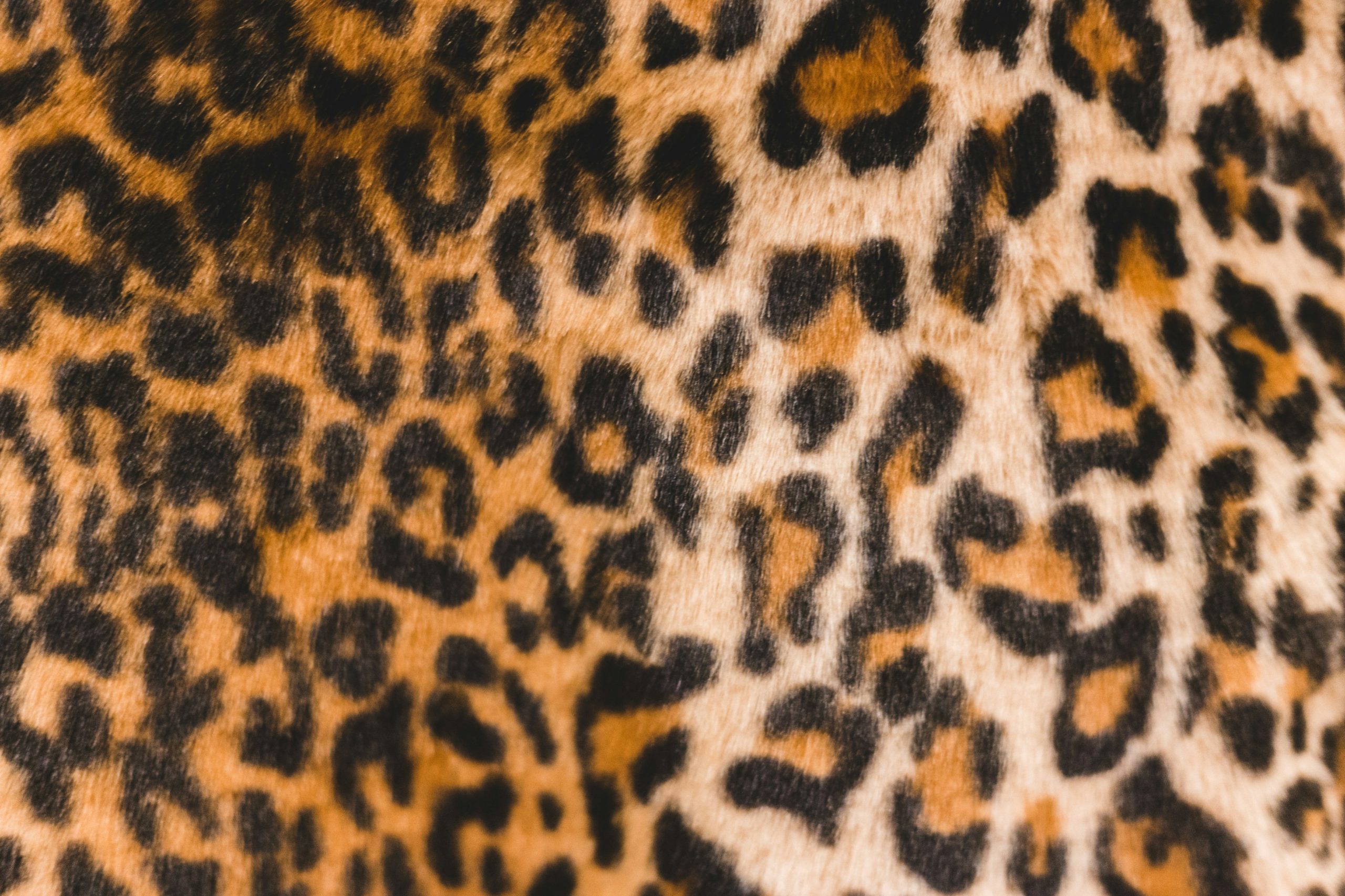
Life&Style writer Kirandeep explores why the wild print remains so timeless

From ancient African civilisations to EastEnders, the leopard print has travelled far, both literally and symbolically. This iconic print has seen a recent surge in popularity, with high streets filled with leopard-printed items. Some view this recent appeal as nothing more than a passing micro-trend, another fad destined for the landfill, similar to the short-lived cow print in 2020. While this may be true for some consumers, its continued presence across the fashion industry shows that it remains a timeless staple for many.
The History of Leopard Print:
The origins of leopard print date much further back than most modern fashion trends, with roots in ancient Egyptian civilisations. Ancient hieroglyphs, 1290–1224 BC, show that the print was used for clothing even during that era. Moving across the continent to South Africa, in Zulu culture, we still see the use of leopard-print fur, which is considered highly significant, establishing a state of elevated social standing. Within this culture, the print acts as a symbol of royalty, pride, and even courage.

In the contemporary sense, leopard print became increasingly accessible to the masses, pushing it into mainstream Western popularity. It’s hard to pinpoint when the print finally made its official debut, but it had been appearing in and around the 1920s. Still, some sources indicate that its use by Christian Dior on his catwalks in 1947 helped pave the way for its earlier popularity. This helped to bring the leopard print to the height of sophistication, worn by icons like Eartha Kitt and Marilyn Monroe. The leopard print in this era conveyed a sense of femininity, daring, and a slight danger. Designers like Dior and later Roberto Cavalli used it to channel an exotic elegance that appealed to post-war audiences craving luxury and fantasy.
in Zulu culture, we still see the use of leopard-print fur
But by the late 20th century, the print’s meaning began to shift. No longer was it a symbol of high fashion, but instead became a representation of everyday working-class style. This introduced a ‘tackiness’ most of us may be familiar with, if you grew up in or around any early 2000s council estate. Despite being fictitious, the iconic character EastEnders’ Kat Slater embodied the newer aesthetics the leopard print became associated with. This, alongside the unapologetically bold wardrobes of the Jersey Shore cast, ultimately devalued the print as its symbolism became intertwined with negative lower-class stereotypes that many snubbed. 
an exotic elegance that appealed to post-war audiences craving luxury and fantasy.
Unfortunately, it’s likely that negative perceptions surrounding the working class and strong associations with such characters saw the print fizzle out of the mainstream for quite some time. But what its journey throughout history highlights is the powerful nature of the print. Few prints manage to straddle the line between elegance and chaos so effortlessly; the rare ability to move between class boundaries, generations, and cultural codes almost guaranteed an eventual comeback.
became a representation of everyday working-class style… introduced a ‘tackiness’
Why the Recent Popularity?
In 2024 and 2025, the recent resurgence of specific fashion trends can be attributed to various pop culture changes, particularly the influence of social media. TikTok, for instance, has become a hotspot for Gen-Z users who are obsessed with Y2K revivalism and retro nostalgia. This platform has played a key role in reviving trends that were once considered outdated by millennials, including low-rise jeans and skinny eyebrows. Consequently, the flashy leopard aesthetic associated with these styles has made a comeback.
 Additionally, other microtrends, such as the “mob wife aesthetic” and “old money chic,” have helped reintroduce leopard print to modern fashion, harkening back to the ‘classier, sultry’ elements of the 1950s and 60s.
a hotspot for Gen-Z users who are obsessed with Y2K revivalism and retro nostalgia
However, this revival extends beyond mere nostalgia. The growing popularity of sustainable fashion, thrifting, and vintage shopping has also contributed to the return of older styles. As leopard print has had a significant impact across various decades, it is now seen in abundance in many vintage and charity shops, opening people’s eyes to its versatility.
In an age of “quiet luxury,” where minimalism dominates, leopard print offers the perfect counterpoint: bold but timeless, expressive yet versatile. In saying this, it is also interesting to point out that many fashion influencers now describe it as “the new neutral,” similar to denim, where it can blend in with almost anything. Elevating an outfit without overpowering it, adding texture and confidence without screaming for attention. That adaptability, alongside the historical evidence of the print’s contradictory, varying symbolism (depending on how it is styled and who adorns it), fits seamlessly into today’s fractured fashion landscape.
many fashion influencers now describe it as “the new neutral”
So whether it’s worn by a 1950s starlet or a Gen Z thrifter, leopard print continues to challenge fashion hierarchies. Merging the glamorous with the everyday, it can project radically different aesthetics with ease. Like the animal it mimics, it’s evolved and in a world obsessed with fleeting trends, it remains fashion’s fiercest survivor.
Want to read more? Take a look at our articles:
Spotlight On: Victoria’s Secret Fashion Show 2025
Comments