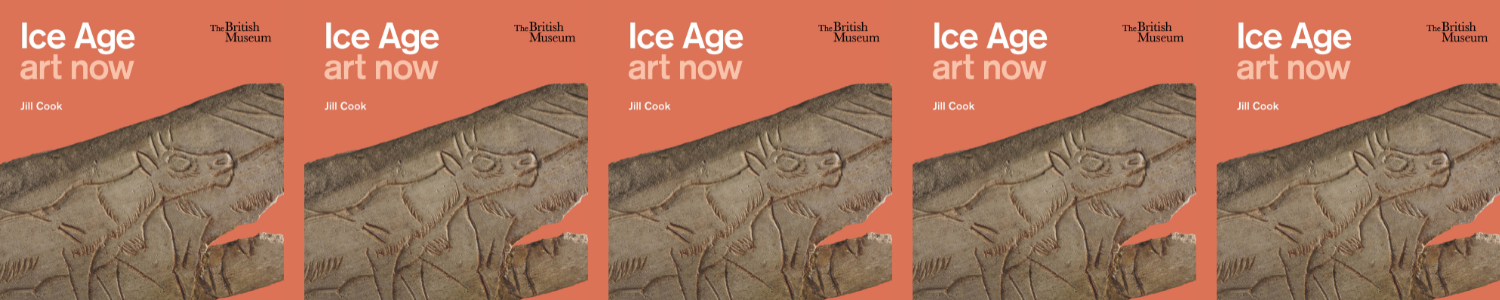
Culture writer Charlotte Berman reviews Jill Cook’s Ice Age Art Now, finding it to be a fascinating study of the technique and resilience of Ice Age artists
Ice Age: Art Now, published in June 2025, is a book that presents readers a fresh understanding of Ice Age Art. Author Jill Cook challenges the historical neglect of the period in archaeology, presenting pieces from the British Museum’s collection dating between twelve and twenty-four thousand years ago. The book showcases an impressive range of works, from cave drawings and sculptures to personal items such as jewellery. The variety of artwork reflects the vast period covered by the Ice Age and makes for both an informative and impressive read.
Split up into seven primary chapters, the book delves into the intricacies of the Ice Age, with the first chapter exploring drawings. Differentiating between stationary drawings, and portable drawings, it shows the diverse nature of the period. There are some pages showing detailed guides on how these drawings were formed, illustrating how certain outlines and shading were incised; this is particularly helpful and creates a unique and interactive experience. The study has successfully humanised these ancient artists, reminding the reader that the same frustrations felt by modern artists were felt by artists drawing over fourteen thousand years ago. Although a lengthy chapter, the simple explanations of artistic styles followed by a deep dive into the complex emotion behind Ice Age drawing makes for an informative read.
The same frustrations felt by modern artists were felt by artists drawing over fourteen thousand years ago
Moving on to sculpture, this chapter takes the reader on a journey from early period cave sculpture through to late period decorated equipment. The miniature scale of many sculptures reflects the difficulties of nomadic life, where constant travel was necessary for survival. Animals and women comprised the images found on Ice Age sculpture, with animals dominating significantly – this could have been intended to intimidate or to build courage. However, these were not solely the reason for sculpture designs, as animals often fit the shape of the material used. Overall, the chapter highlights the importance of sculpture in Ice Age culture, not just practically, but also its significance as a medium for expressing emotion, culture, and resilience.
In the next chapter, artistic depictions of women are explored. Although artwork depicting women can often have erotic undertones, early Ice Age art was usually not for this purpose. Later Ice Age artwork depicting women found in central Europe did have erotic elements, however there was always a focus on the spiritual element behind female anatomy. This shows that Ice Age art has emotional and spiritual depth, rather than a sole focus on the physical body. Detailing its spiritual and personal aspects is important in understanding why the artwork was created, the intricacy needed to create artwork of this standard is emphasised to the reader.
The impressive skill of Ice Age artists is displayed and appreciated, and shows the diverse range of materials used, and uses of patterned objects
The following chapter focuses on patterns, which were not restricted to a particular material or depiction, and this is what makes them hugely important to the modern day understanding of Ice Age art. This chapter provides a detailed description of the types of patterns, and how they were used to personalise and identify objects. From spear points carved on antlers, to painted pebbles, the impressive skill of Ice Age artists is displayed and appreciated, showing the diverse range of materials used, and uses of patterned objects.
Personal ornaments were as important to those living during the Ice Age as jewellery is to us in the modern day now
Personal ornaments were as important to those living during the Ice Age as jewellery currently is to us. This reflects an eerie yet intimate connection between modern day civilisations and Ice Age civilisations, despite the extremely different climates. Ornaments were worn both during life, and in burials, with much evidence surviving amongst skeletal remains. The chapter further highlights the artistic skill required to create intricate images on small ornaments and focuses on the idea that artists were ahead of their time; some skills employed were not found again in artwork until the 18th century. These ornaments had many different uses, from displaying familial connections, to protecting owners from illness and danger.
The final chapter highlights that the art itself is not only intricate and impressive, but the creative process used to create Ice Age art was ahead of its time. Ice Age artists utilised everything nature had to offer to create some of the most impressive images; these caves were not only difficult to reach, but they also lacked natural light, meaning artists were using canvases that were dimly lit and hard to work on.
This ultimately emphasises how impressive their work was. The spiritual nature behind artwork is deeply explored as a key theme that runs throughout many of the different types of Ice Age art discussed, and the impressive prowess of Ice Age artists is praised. Despite difficult climates and unforgiving landscapes, there were always artists crafting both practical and decorative items that have survived the test of time, allowing archaeologists and historians to piece together the mystery of the Ice Age.
Enjoyed this? Read more from Redbrick Culture here!
Book Review: You Like it Darker
Comments