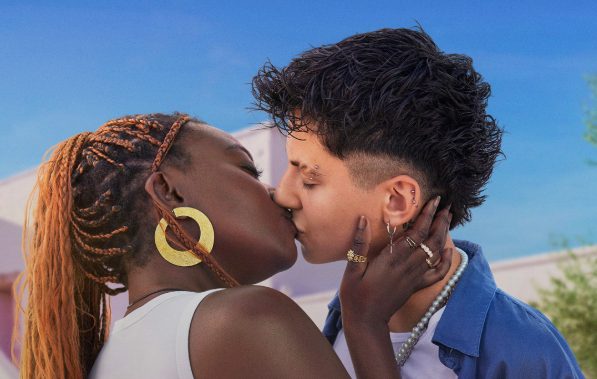
Life&Style Writer Sophia Alcock discusses the BBC’s cancellation of queer dating shows I Kissed a Boy and I Kissed a Girl, and how this reflects ‘anti-woke’ attitudes to queer people
It seems that new dating shows are launched every day. Whether that be Love Island’s gazillionth season, a strange new excuse for exhibitionists and nudists to have their 5 seconds of fame (I’m looking at you, Dating Naked) or yet another season of fatphobic, misogynistic, cheating men – MAFS, Olivia Attwood’s Bad Boyfriends, Love is Blind… the list goes on and on.
So why are queer people not allowed one single show?
The situation
As of March 11th, The BBC have announced that the second season of I Kissed a Girl airing this summer will be its last, and the same applies to I Kissed a Boy. They are saying that its due to funding issues – but how believable is this, considering current attitudes to queer people in both the media and real life?
To be honest, I (and the rest of the queer community) could not be less surprised. We have seen this narrative over and over again with queer shows being cancelled after just one or two seasons, much to the upset of fans who were made to feel, for once, seen within the media. Programmes such as I Am Not Okay With This, Queer as Folk, Willow, Everything Sucks!, Olympo… you name it.
We have seen this narrative over and over again with queer shows being cancelled
What’s more, GLAAD’s Where We Are on TV report for 2024-2025 found that due to TV cancellations, characters leaving (or dying), or limited series ending, 41% of all LGBTQ+ characters will not be returning in 2026. Of course, I Kissed a Girl and I Kissed a Boy is not fictional, but I think the same premise applies.
Why is this happening?
At the crux of it, it seems that broadcasting companies do not want to fund or advertise queer stories. Take The Ultimatum: Queer Love being cancelled after two seasons, despite its heterosexual counterpart being renewed for its fourth, for example. The media is making it blatantly obvious that they are complacent with the current erasure of queer people.
Whether intentionally or not, with the cancellation of I Kissed a Boy and I Kissed a Girl, the BBC are aligning themselves with the present pushback against ‘woke’ and ‘transgender ideologies’ such as those of political party Reform UK (who want to replace the 2010 Equality Act, as seen in their 2024 ‘Our Contract With You’, page twenty-two.)
bBroadcasting companies do not want to fund or advertise queer stories
They are implying that we do not deserve time on screen, despite the success that rolls along when we are – when I Kissed a Girl debuted on BBC Three, it was “up on BBC Three’s slot average by an impressive 103% in volume and 109% in share”, and “smashed the channel’s slot averages for the coveted Adults 16-24s (by 290% in volume and 380% in share)” (FormatBiz, 17 May 2024).
They are implying that queer people can be pushed into the background and forgotten about; that our experience is not of interest to the general public, and not worth funding – which, evidently, couldn’t be further from the truth.
They are implying that queer people can be pushed into the background
Looking ahead
But all hope is not lost.
As of the 13th March, Attitude magazine wrote that Twofour, the production team behind I Kissed a Boy/Girl, are planning to work with dating app Tinder to create a spin-off of the show, apparently called It Started With a Kiss and hosted by social media star Charley Marlowe (13 March, 2026). They also detailed Dannii Minogue’s (previous host of both series) comments following the show’s cancellation, such as the hopeful “who knows where the IK series will go from there?” and her praise for the show’s importance for the LGBTQ+ community.
Refuse to let the LGBTQ+ community be side-lined again.
What is more, the change.org petition to ‘Demand the BBC Fund Queer Representation: Save “I Kissed A Girl/Boy”’ (left), which already has 13,079 signatures and counting as of 30th March 2026, shows it’s clear that the Queer community are not going to give up without a fight. No matter how much lack of funding, or terrifying ‘anti-woke’ agendas being pushed.
Whether we get the spin-off show or not, it is disappointing that broadcasting companies as big as the BBC have revealed themselves to care more about money than representation, and that it takes a dating app to fund queer media. But let us hope that we do – and refuse to let the LGBTQ+ community be side-lined again.
Read more from Life&Style:
Spring Has Sprung: How to Welcome the New Season
Comments