Jen Sawitzki unveils the decline of Birmingham as a characteristic of modern day Britain
On paper, Birmingham should be one of the most successful cities in the UK. Boasting titles such as the ‘youngest major city in Europe’, housing the largest public library (also the 10th most visited attraction in the UK (at one point in time)), and being governed by the biggest local authority in Europe, are surefire indicators of a flourishing area, right? Not exactly.
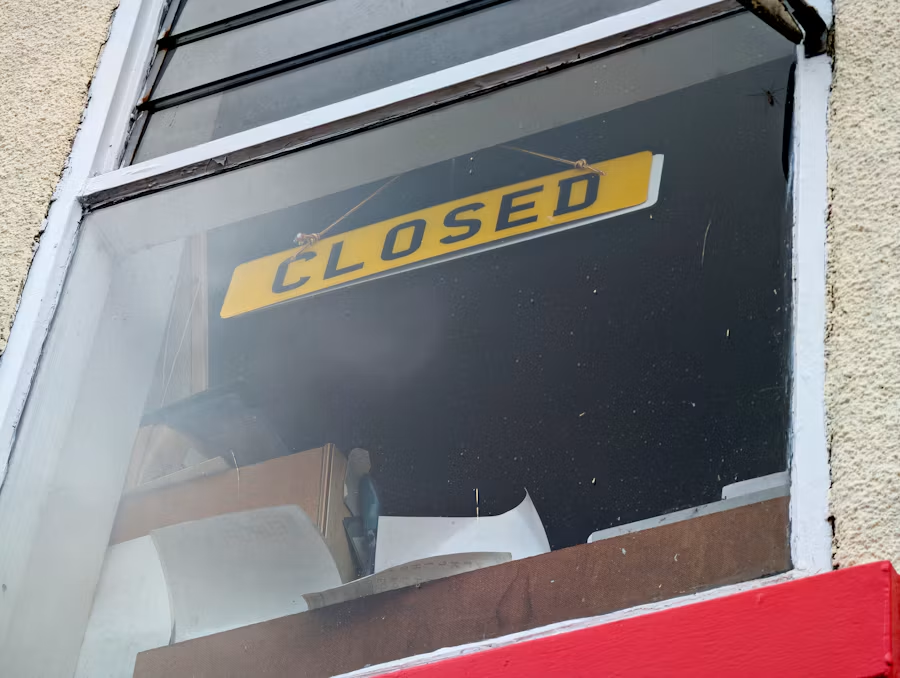
In September 2023, Birmingham City Council (BCC) issued a Section 114 notice – essentially branding itself essentially bankrupt. Formerly the “best-governed city in the world”, Birmingham has spent the last 3 years in this state of bankruptcy. Although the council has claimed that the books will be “balanced” over the coming year, the £130m investment destined to save the city may have done the opposite.
This bailout follows austerity measures that anyone living in Birmingham over the last 3 years will have remembered; cuts to the arts, social care, and of course, the bins. Although the council may not be as broke as it once was, significant damage has been done.
2024 saw 50% budget cut for the arts, with 2025 witnessing even more. Some big names affected that you may recognise include the Symphony Orchestra, REP, IKON Gallery, B:Music, and Birmingham Heritage Week. As of 2026, BCC has withdrawn its grant funding (totalling £2.49m) and local arts development fund, forcing organisations to search for new funding.
Although events like Birmingham Heritage Week have managed to find new sources of revenue, the stability once provided by BCC has undoubtedly stunned many, leading some to worry whether the city values arts any more. Pairing this with the recent death of Birmingham cultural icon Ozzy Osbourne and the threat to Birmingham’s thriving music scene in Digbeth, is it even worth investing in the city if the culture and art that once defined Birmingham is being culled? is it even worth investing in the city if the culture and art that once defined Birmingham is being culled?
If you couldn’t care less about whether or not your city has a good arts scene (or even one at all), I believe we can all agree that no one would like Birmingham’s bin situation to be inflicted upon any other city.
Having already covered The Bin Issue (which you can read here and here), I won’t dwell on it much. The only thing I will say is that the situation epitomises BCC’s ineptitude, and how it affects those living day-to-day in Birmingham. In particular, how BCC’s budget cuts have affected those living in poorer areas and backgrounds more. Whilst residents from Ladywood and Selly Oak began to get used to jumping over rubbish bags and avoiding mega-rats on their daily commute, those of Edgbaston and Sandwell seemed oblivious to the difference.
At the heart of Birmingham’s woes lies the equal pay scandal, a financial time bomb – still ticking a financial time bomb – still ticking
Critics have been quick to blame the council for failing to address the issues at hand sooner, with some even pointing fingers at women for their lack of complacently; refusing to accept lower pay than their equally skilled male counterparts. And although Birmingham does bear responsibility for its slow response, this issue in particular reflects a much larger problem. Gender pay inequality is rife across the UK’s public sector; Birmingham was simply one of the first councils forced to reckon with the consequences.
The second contributor to Birmingham’s financial collapse was its ill-fated IT upgrade, initially budgeted at £19 million and now having cost the taxpayer more than £90m. BCC’s upgrade to the Texas-based Oracle database management system is still causing problems for council workers. Causing both an “inherently high” risk of theft and fraud and massive loss of capital, poor oversight and unrealistic expectations of the government have been blamed. Across the UK, many councils are grappling with outdated IT systems, often facing exorbitant costs to bring them up to standard. Birmingham’s overspend may be extreme, but it underscores a broader issue: they aren’t the only ones being asked to do more with less, and the cracks are starting to reveal themselves.
The council’s financial crisis came to a head just a year after the city hosted the Commonwealth Games, a £778 million event designated a “golden decade” of opportunity. While the Games brought international attention to Birmingham, their financial legacy is murky. The £500 million athletes’ village failed to house a single competitor over the Summer due to delays in construction. They were instead housed at diverse student accommodation (ranging from £99/week at Maple Bank to £258/week at Chamberlain) offered by the University of Birmingham. With projected losses of the athlete’s village expected to cost the taxpayers over £300 million, the disconnect between high-profile civic planners and the financial realities that Birmingham citizens live out daily has never been clearer.
Birmingham’s bankruptcy has been framed by some as a local failure, but this perspective forgets the impact austerity has on councils nationwide. Since 2010, local authorities like BCC have faced a 40% reduction in funding. Birmingham’s grant from Westminster in 2021/22 was 10.2% lower than in 2009/10, despite ever increasing demand for essential services like social care. To manage their remaining – dwindling – funds, councils have been forced to cut discretionary services, from libraries, to 100% of the arts budget, to youth programmes, leaving communities struggling. In Birmingham – a city where 40% of residents are under 25 – these cuts have been particularly devastating, with youth crime rising and opportunities for young people becoming rare.
At least 10 councils have issued Section 114 notices in recent years, with surveys suggesting nearly one in five local authorities risk facing insolvency within the next year. Birmingham’s equal pay liabilities and IT overspend are headline-grabbing, but they mask a larger truth: councils are being set up to fail. The erosion of central government funding, combined with increased demand for services, has created the perfect storm.
The government’s proposed 6.5% increase in council funding for 2024/25 was a step in the right direction but fell comically short of what is needed to address the crisis. If, 3 years on, the bins are still all over our once clean streets, who knows what other problems have continued to riddle Birmingham under the radar?
One thing is clear; more money is required from the central government, as is a more serious approach to saving money in the long-term. Investment in preventative services like youth centres and libraries could save money in the long-term by reducing social problems that arise from neglect, e.g., crime and ill health. Cutting these services may balance the books in the short term – and present the current government’s short stint as one of success – but this is only done by neglecting future generations and councils to come.
Birmingham’s motto, Forward, now feels bitterly ironic
Even though Birmingham’s books have now been balanced, and everything is going to plan according to the budget established earlier this year, we should not be placated by this.
Perhaps, on the horizon, there is a small glimmer of hope for Brum. Despite a lack of visible change at the moment, BCC have allotted a significant chunk of their £130m investment “into cleaner streets”. Paired with our new Prime Minister not just acknowledging Birmingham’s existence, but putting it on a par with his beloved Manchester bodes well for Birmingham’s future. “I love them both, and I will support them both equally”, Burnham said in a recent interview; we can only hope that that is the case.
Comments