Sci&Tech Editor Katherine Bhaskar explains the science of psychedelics.

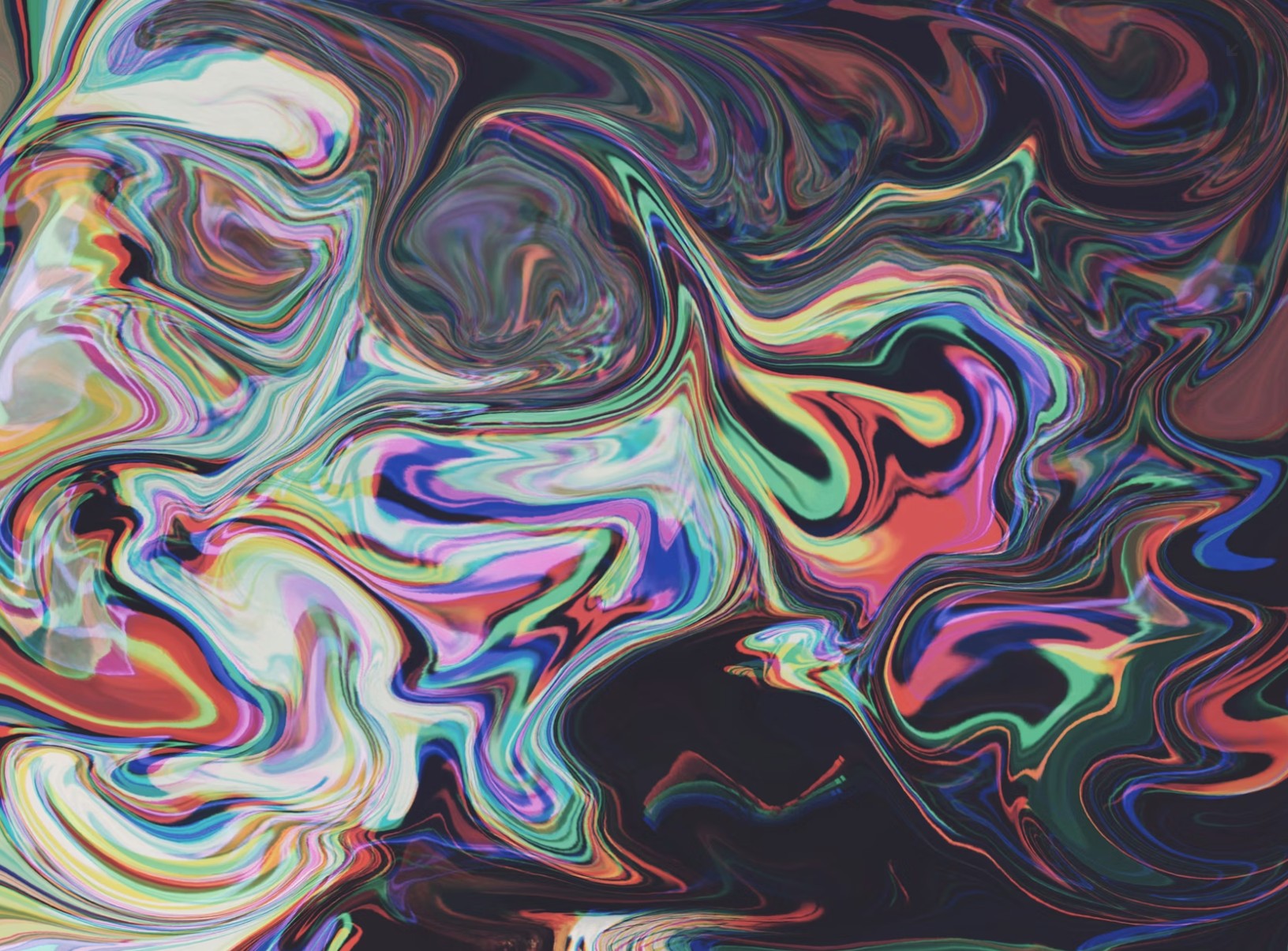
Suddenly your pupils dilate, heart pumping rapidly as though it would burst. With each beat of the heart, sharp geometric visions overwhelm your sight – fiery red, electric blue, sunny yellow tessellations distort the world. These infinite patterns take shape, swirling, spiralling, moulding into chaotic daydreams, rather, nightmares. Nature – a transformation in scenery, one you recognise, feel. Beautiful lush forests, majestic deserts, boundless oceans. Breathe in, breathe out… chaos resolves into order. Slowly, your soul departs from your body, escaping the vessel which has caged you for years. Finally, you are no longer ‘you’, but a soul that has found acceptance in becoming one with the universe.
This description above tries to imitate the emotional and spiritual journey a person would embark when consuming psychedelics. It is, however, a generalisation as the effects of this drug will differ across all individuals, due to the uniqueness of our brains and lived experiences.
Spiritual journey of self acceptance
Nonetheless, scientists have documented that under the temporary effect of psychedelics (usually lasting from three up to eight hours), subjects have displayed more ‘out-of-the-box’ thinking, because this drug temporarily alters the pathways of one’s brain then creates new biologically stable brain connections. Think of this metaphorically as new lasting discoveries being made when an adventurer walks different paths. Moreover, during intense experiences, the person undergoes a stage of ‘ego dissolution’, creating a sense of expanding consciousness and transcendental feeling of being one with the universe. In other words, an ego death. It further becomes increasingly difficult to distinguish fiction from reality, self-awareness diminishes, and cognitive tasks such as critical thinking become challenging.
The basics of psychedelics
Psychedelics, otherwise known as hallucinogens, are psychoactive substances which profoundly change one’s perceptions, emotions and thoughts when consumed. Out of many psychedelics, psilocybin in ‘magic mushrooms’ and dimethyltryptamine (DMT) are two widely known examples. While a popular misconception is that these drugs are purely used recreationally, archaeological evidence indicates that psychedelic plants have been used for thousands of years in religious healing rituals across the Americas and the Mediterranean. In the Amazon and Orinoco regions, indigenous groups have long incorporated ayahuasca (a traditional psychoactive brew containing DMT) into their shamanic and medicinal traditions. Even though psychedelics are neither habit forming nor deadly, it was social disorder and psychological harm in the 1960s caused by LSD and other psychedelics within countercultural movements that resulted in bans of this drug across countries.
How do psychedelics form such hallucinations?
Using ‘magic mushrooms’ as an example, when a person consumes psilocybin (the main psychoactive compound found in certain mushrooms), this substance breaks down in the body into psilocin. Once in the brain, psilocin interferes with the normal recycling process of serotonin by preventing its reuptake; leading to unusually high levels of serotonin activity across neural pathways. Chemically, psilocin’s structure closely resembles serotonin, allowing it to bind to and stimulate serotonin receptors throughout the brain. This overstimulation profoundly alters perception and consciousness, causing the person to experience vivid hallucinations, mystical insights, and in other cases, disorienting experiences.
Psilocin increases activity in regions such as the hippocampus and the anterior cingulate cortex, areas associated with memory, emotion, and dreaming. This connection explains why psilocybin experiences often resemble dream-like states, blurring the boundary between one’s internal imagination.

Difference between psychedelics and anti-depressants
Increasingly being explored as potential treatments for addiction, depression, and trauma, scientists propose that psychedelics temporarily reorganise the brain by inhibiting normal brain activity and immediately creating new biologically stable brain connections.
Although anti-depressants and psychedelics share the role of treating conditions such as depression and anxiety, the method they operate in clinical practice is fundamentally different. Anti-depressants are often inhibitory drugs taken daily. They work by blocking certain neurotransmitters to stabilise mood and reduce symptoms over time. Psychedelics, contrarily, are stimulating substances that temporarily heighten neural activity and induce lasting changes in one’s brain connectivity. Rather than suppressing symptoms, psychedelic therapy encourages patients to engage with and embrace their emotions. In essence, antidepressants function by quieting the mind’s turmoil, whereas psychedelics invite patients to confront their emotions, and endeavour on a spiritual journey of self-acceptance.
Which means, further development in the research of psychedelics could potentially lead to breakthroughs in therapy.

Therefore, psychedelics are far more than drugs which induce fleeting hallucinations or recreational escape. Upon peeking under the hats of these mushrooms, we learn that they hide secrets which both ancient traditions and modern neuroscience uncover to be a spiritual glimpse into our unfathomable mind. In which, scientists are optimistic to reach possible therapeutic advancements.
There’s much more to discover! Start with these:
Creature Feature: Campus Birds
Comments